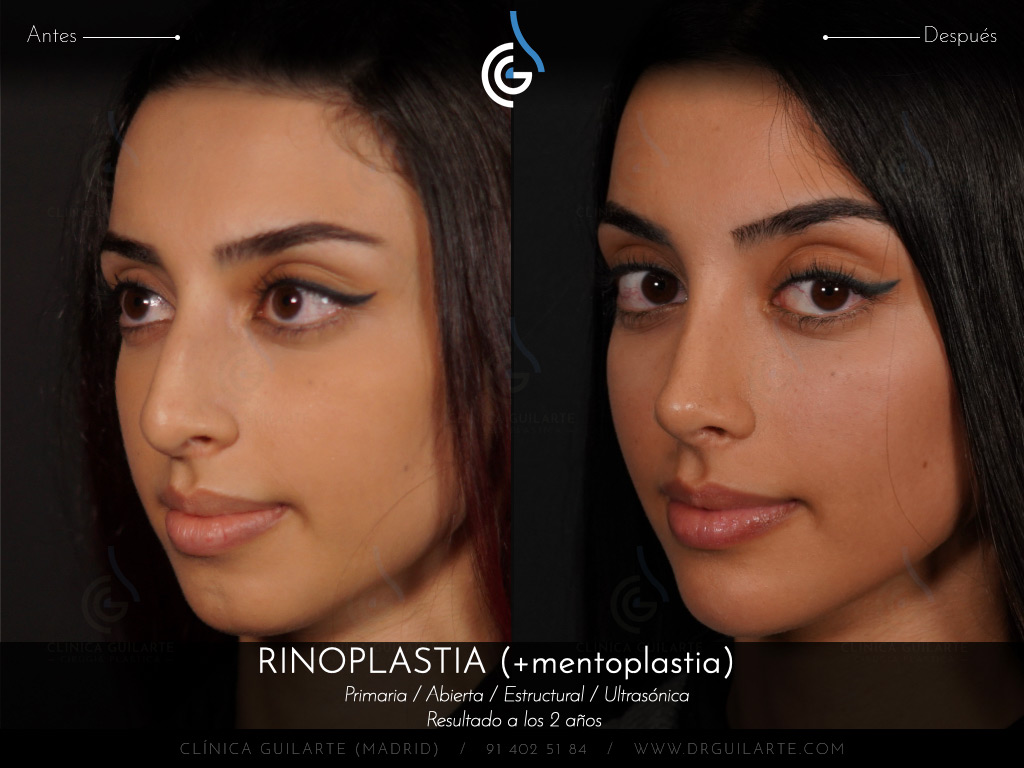
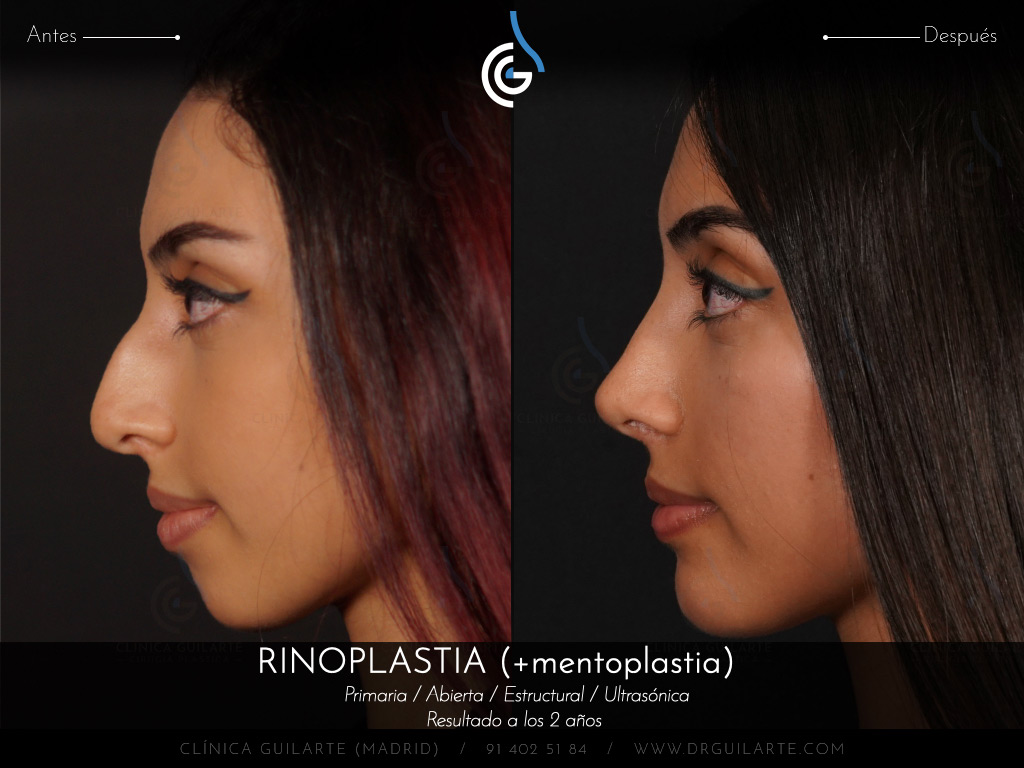
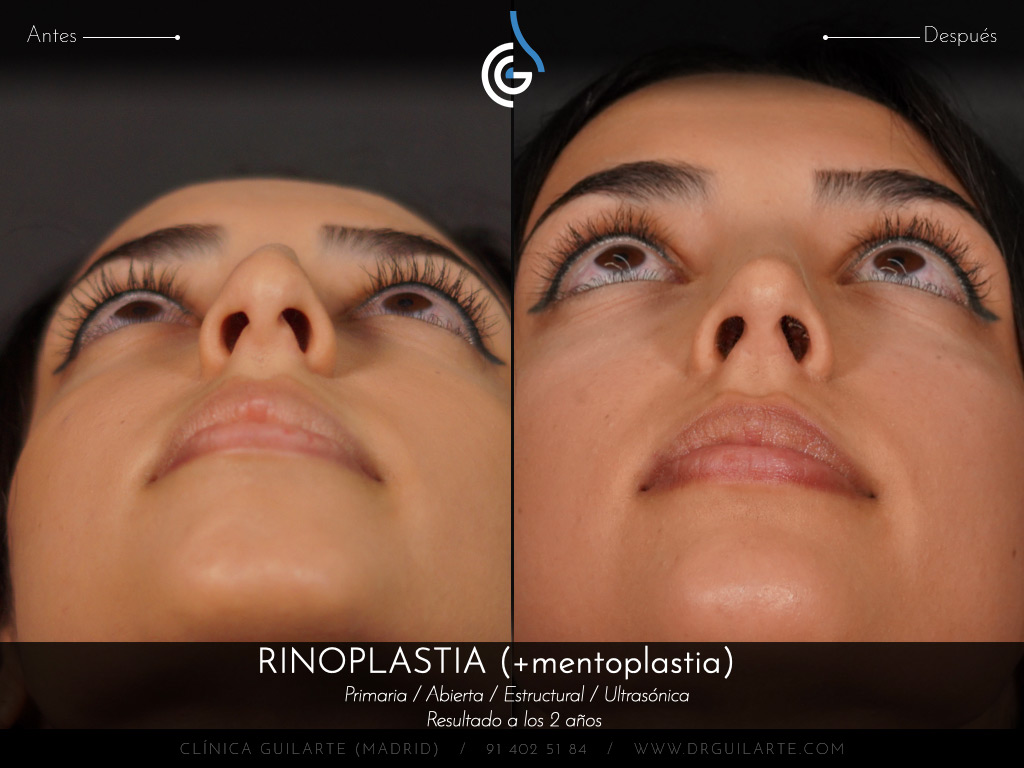
Rhinoplasty or Nose Surgery

Do you know why rhinoplasty is one of the most frequently performed surgeries? It is because the nose is one of the central structures of the face, making it one of the most important features of your appearance. Its relationship with the eyes, cheeks and mouth determines the overall look of your face, which is why the nose holds such significant aesthetic importance. Some people feel uncomfortable with a nose that disrupts the harmony of their face, and consequently with their overall facial appearance. These individuals may feel self-conscious in their interactions with others.

At our plastic surgery clinic in Madrid, we address this concern through rhinoplasty. Our guiding principle is that results must look natural — no one should be able to tell that a rhinoplasty has been performed. Dr. Guilarte is a member of the Rhinoplasty Society of Europe, a society that requires acceptance by fellow European surgeons.

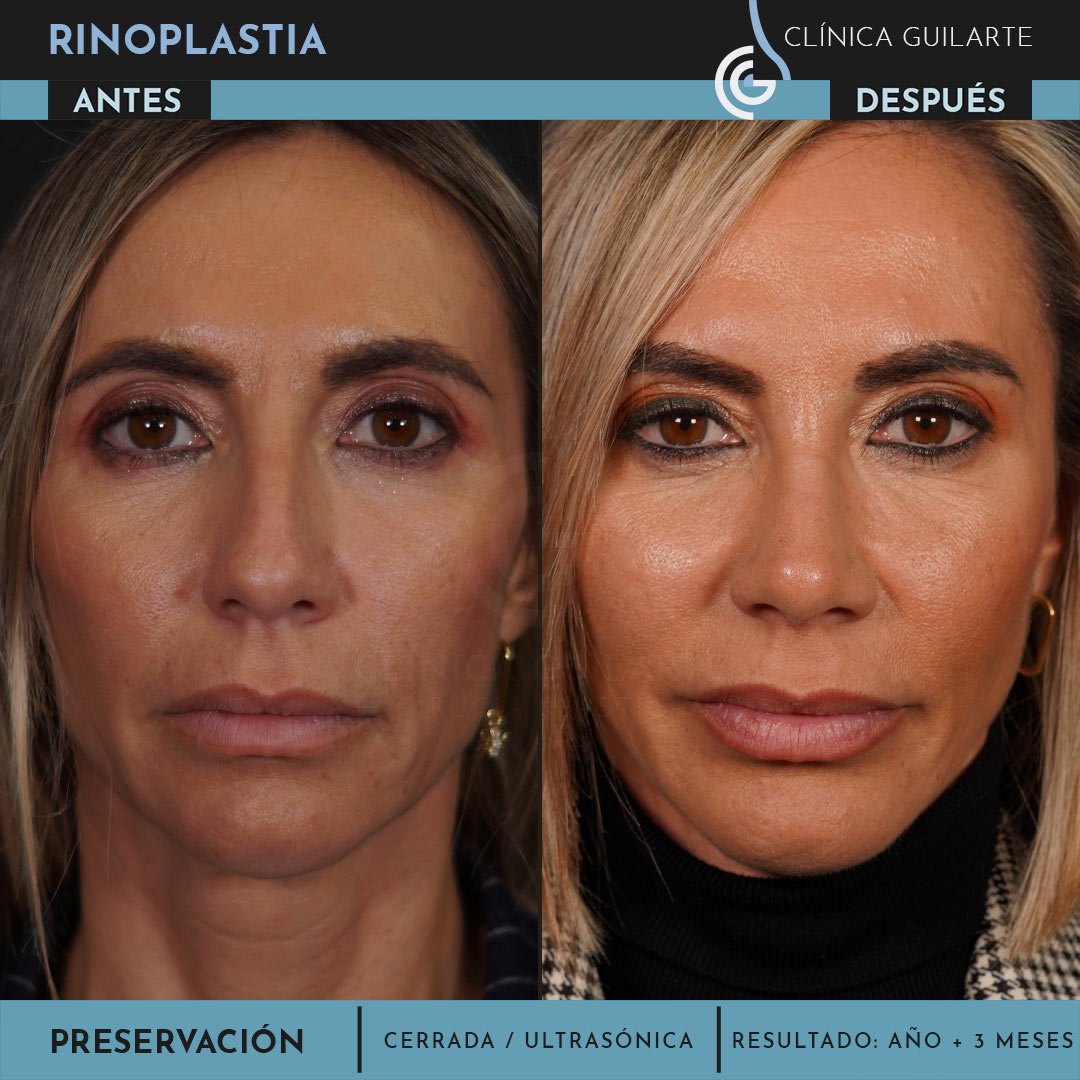
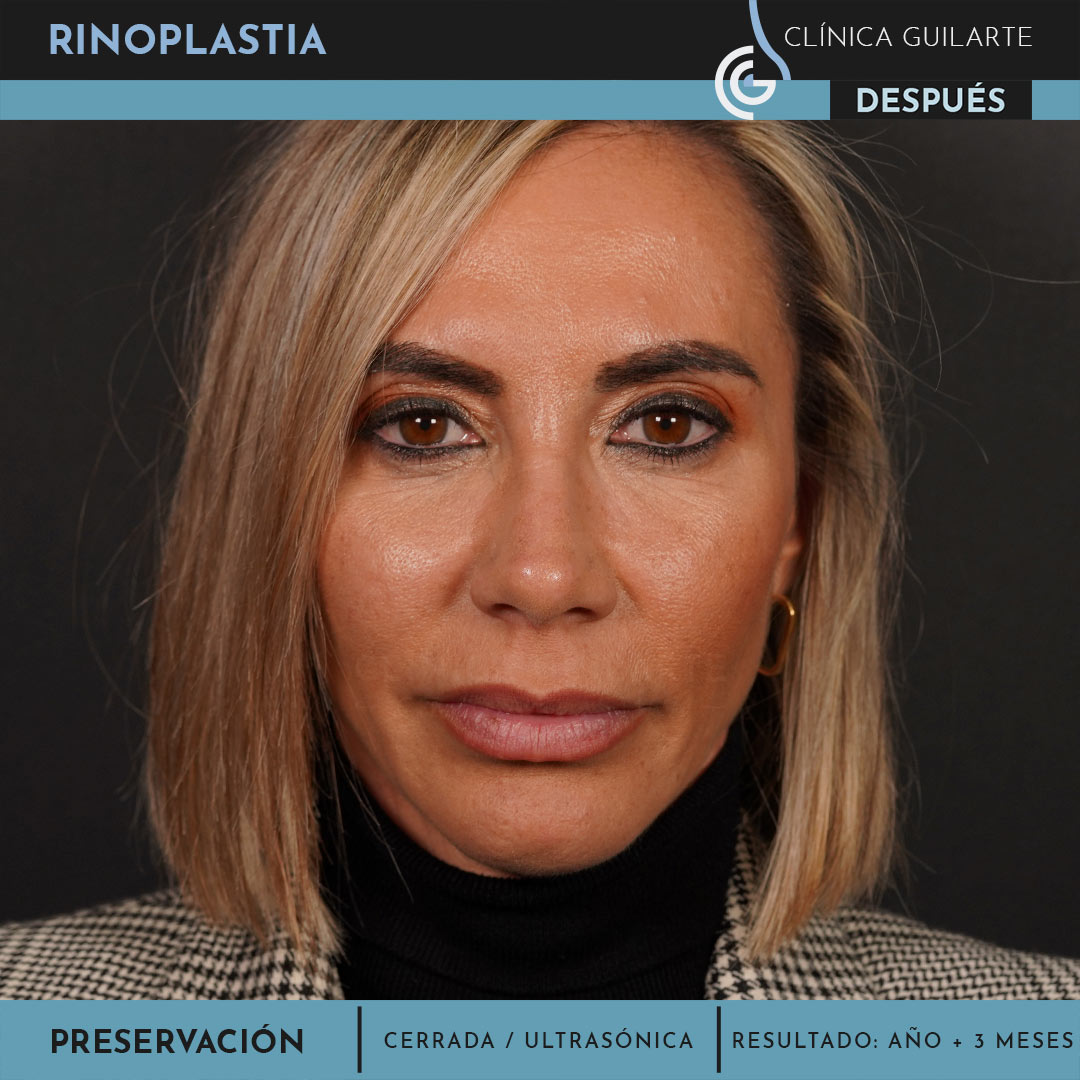
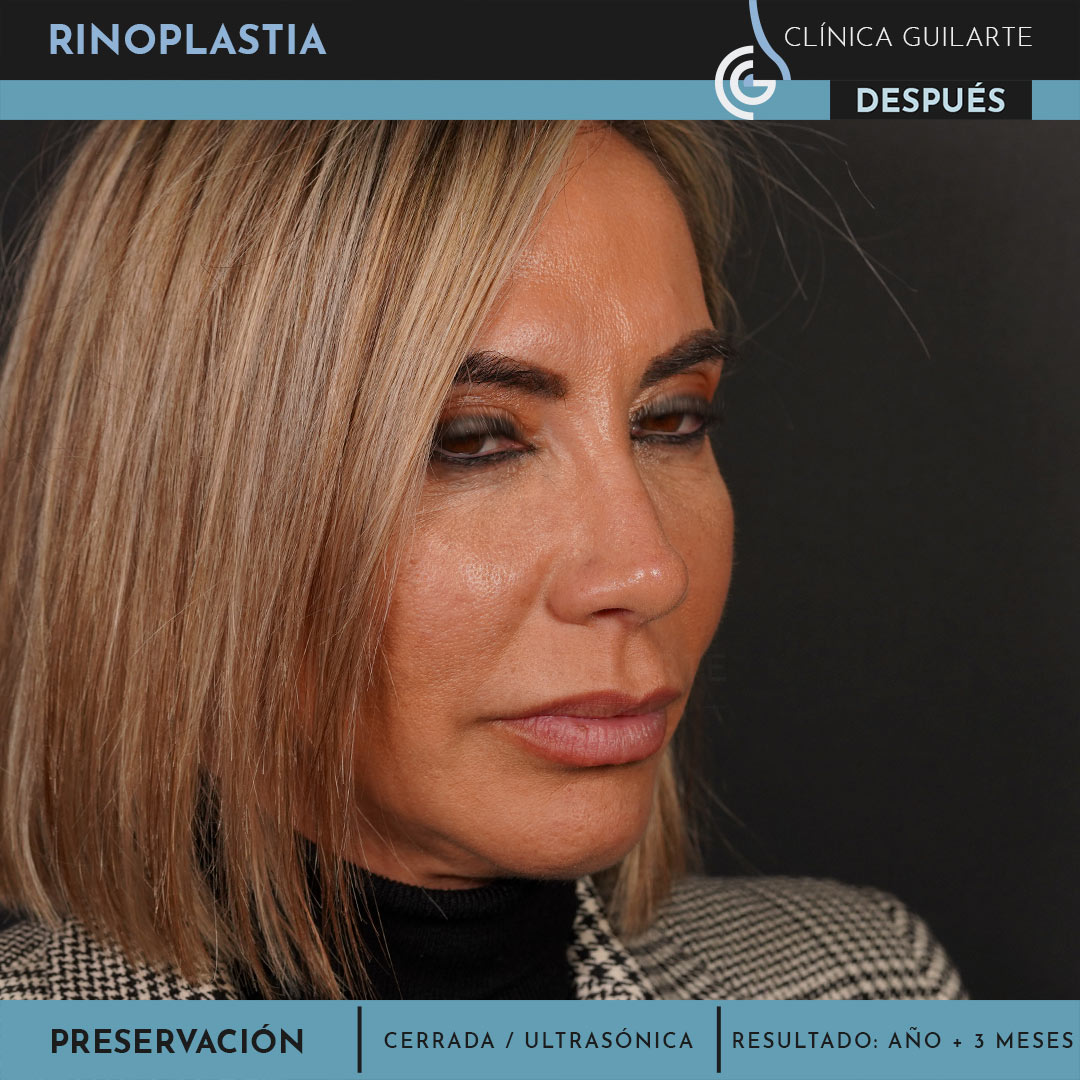
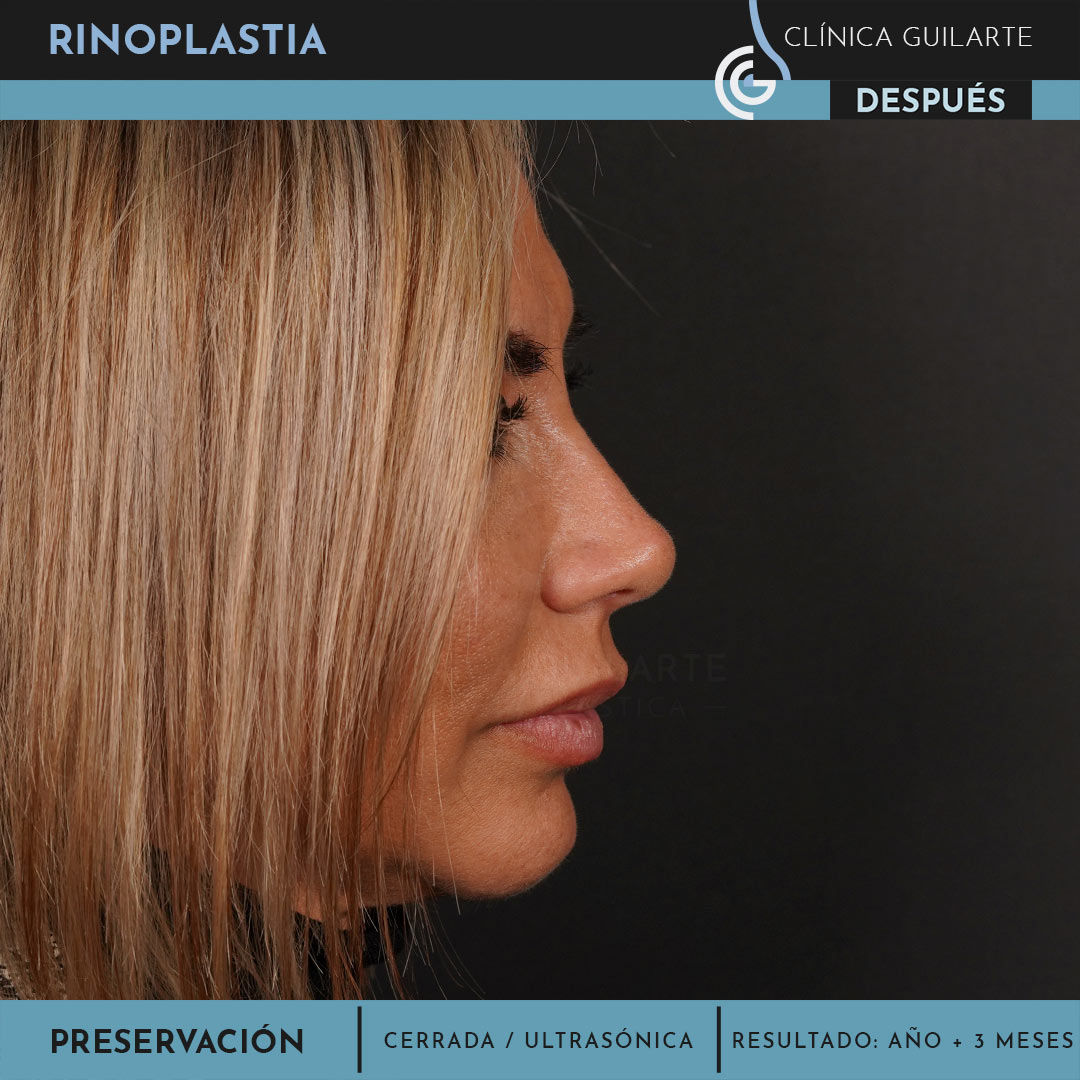
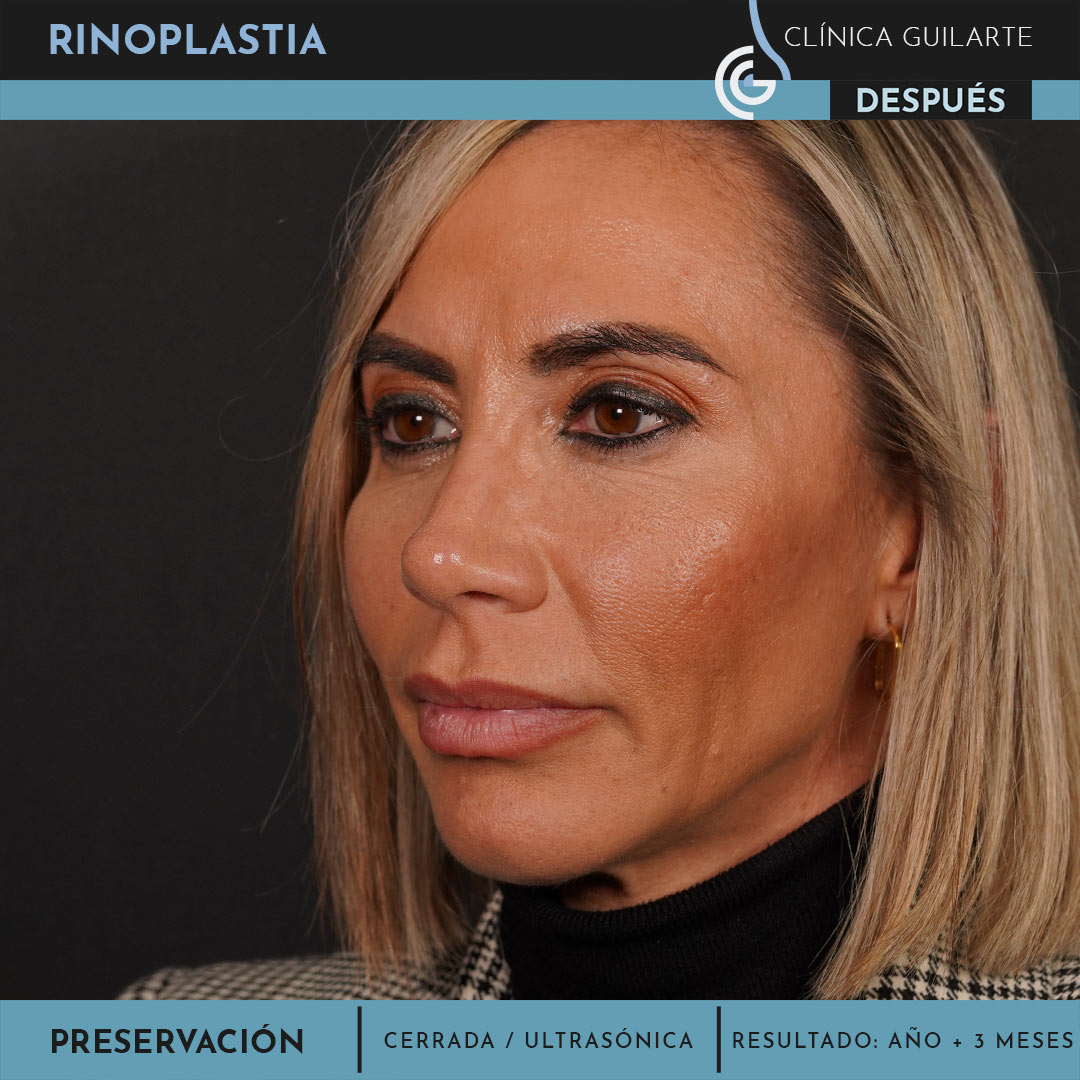
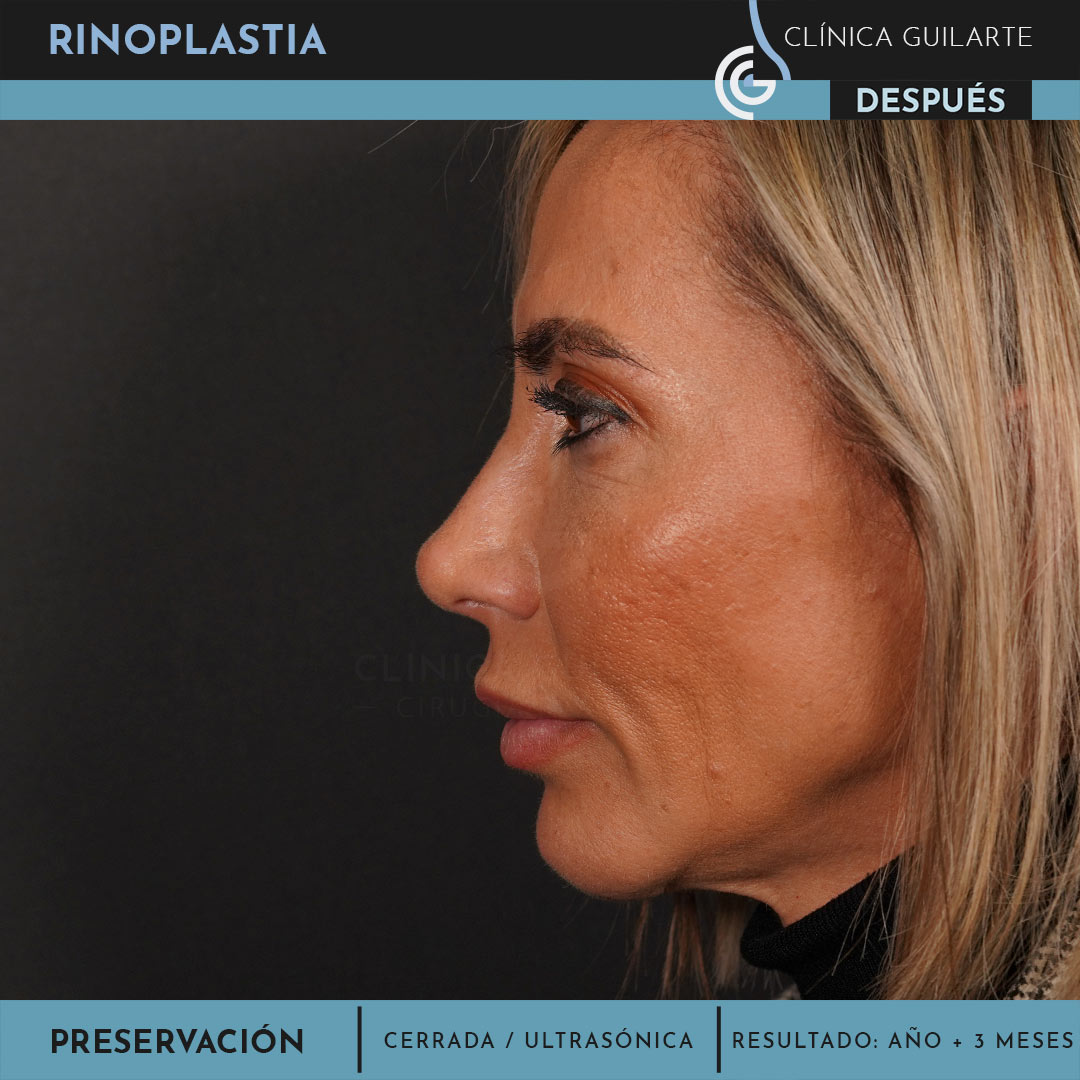
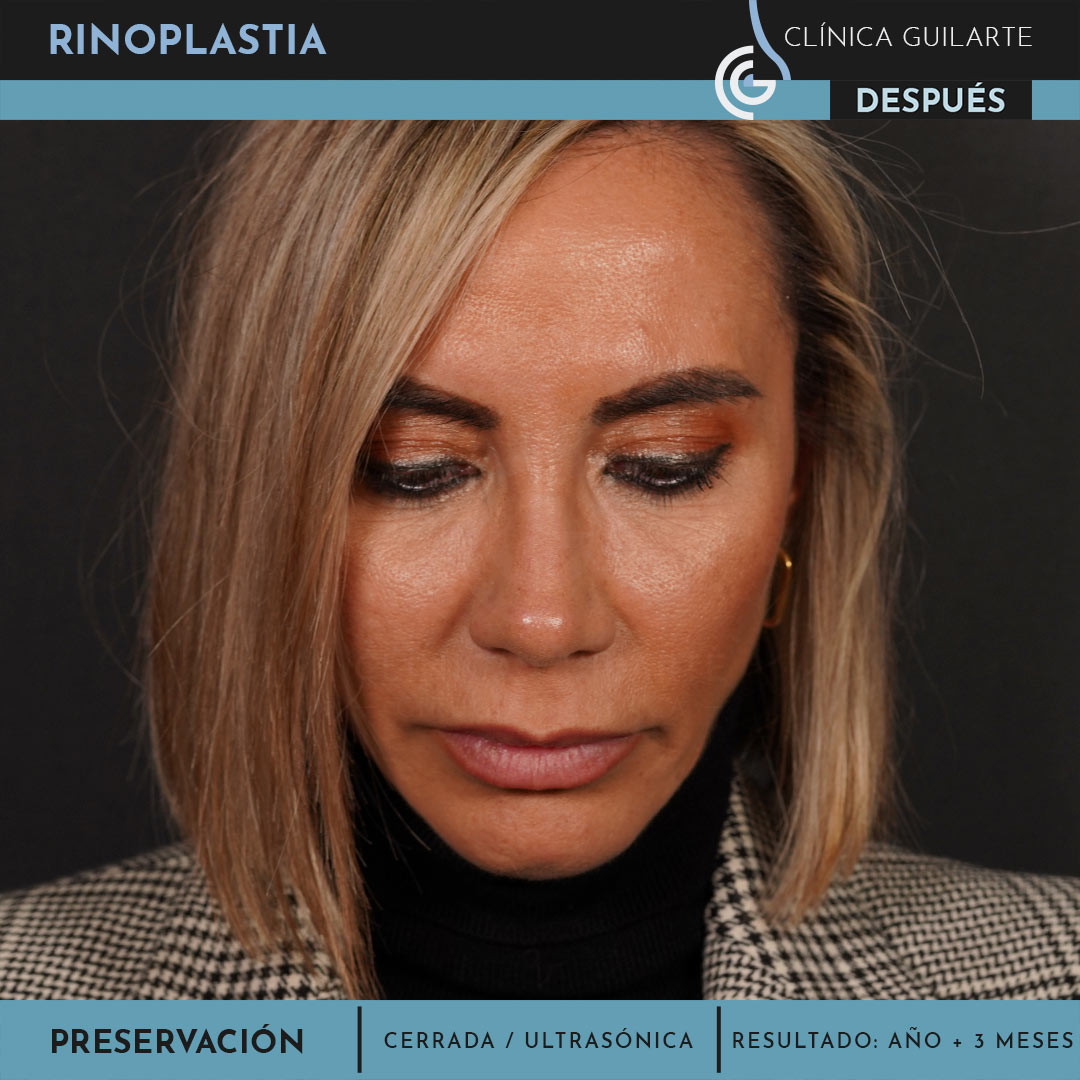
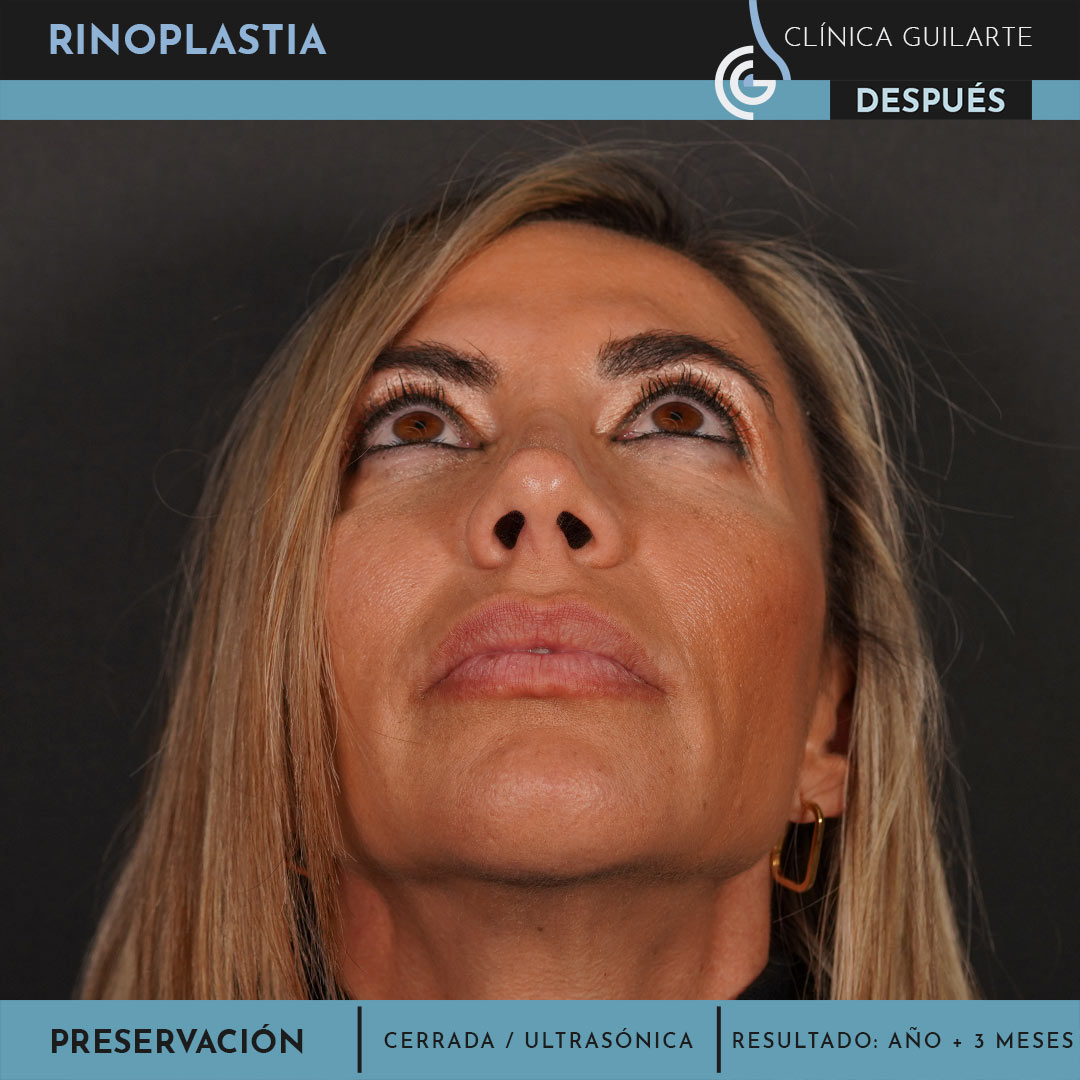
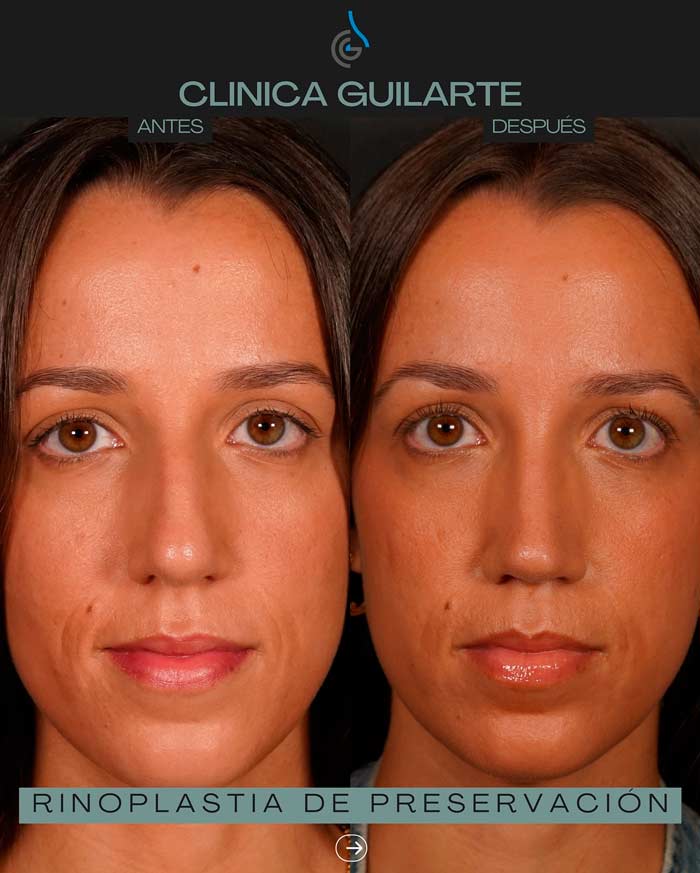
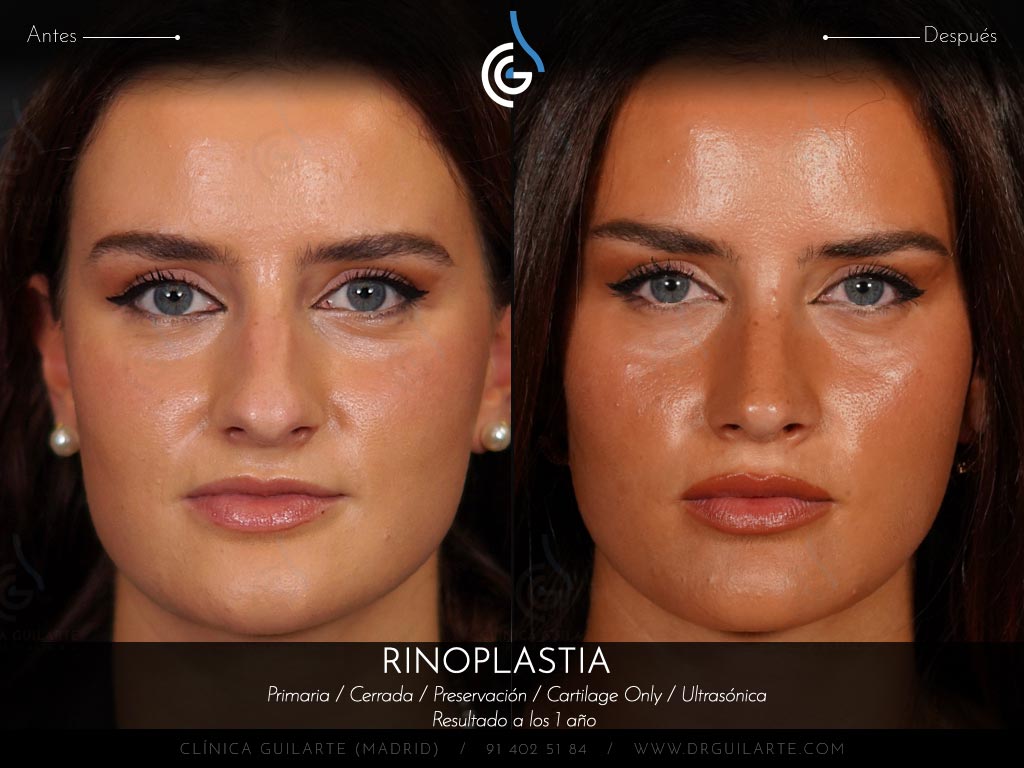
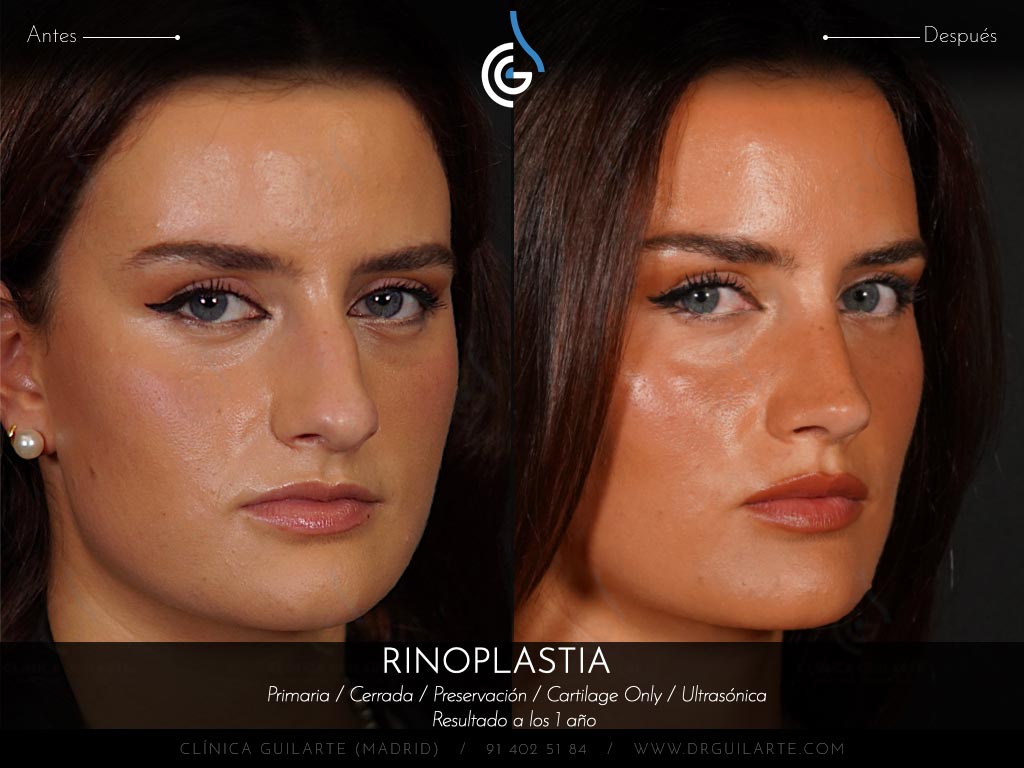
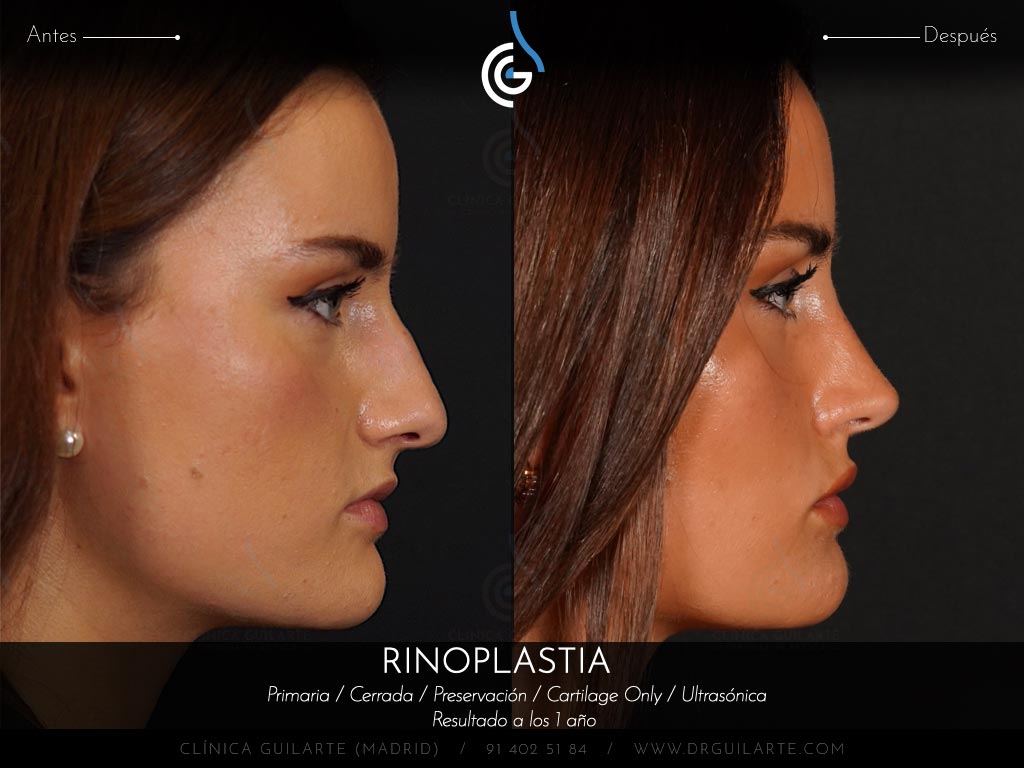
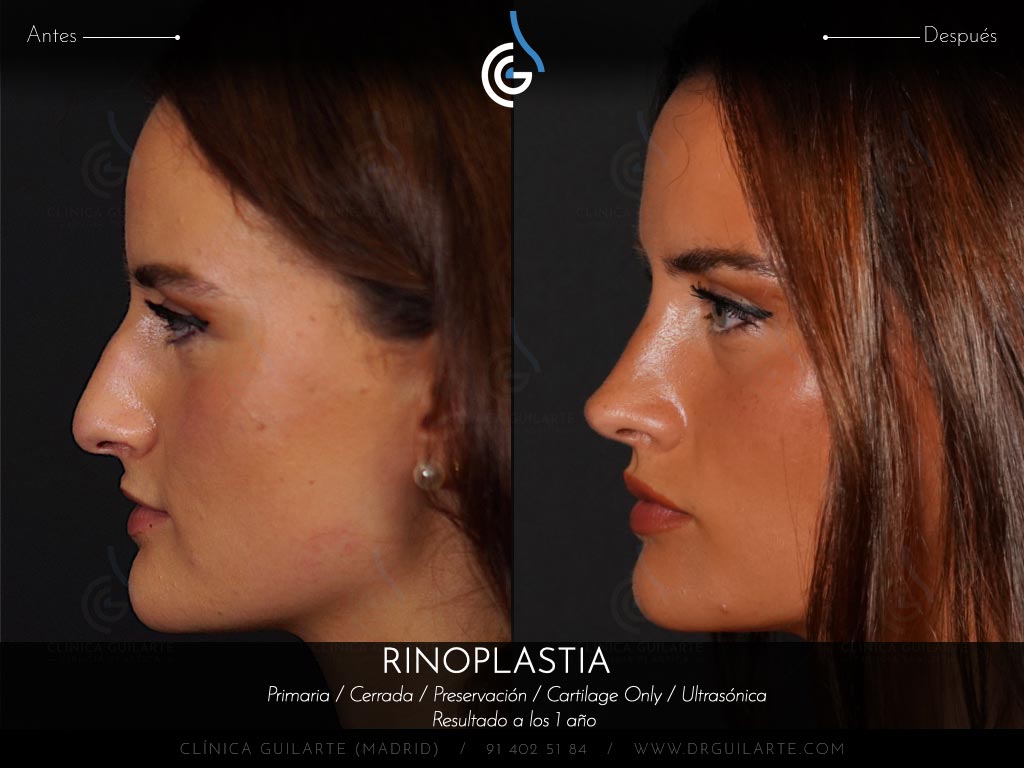
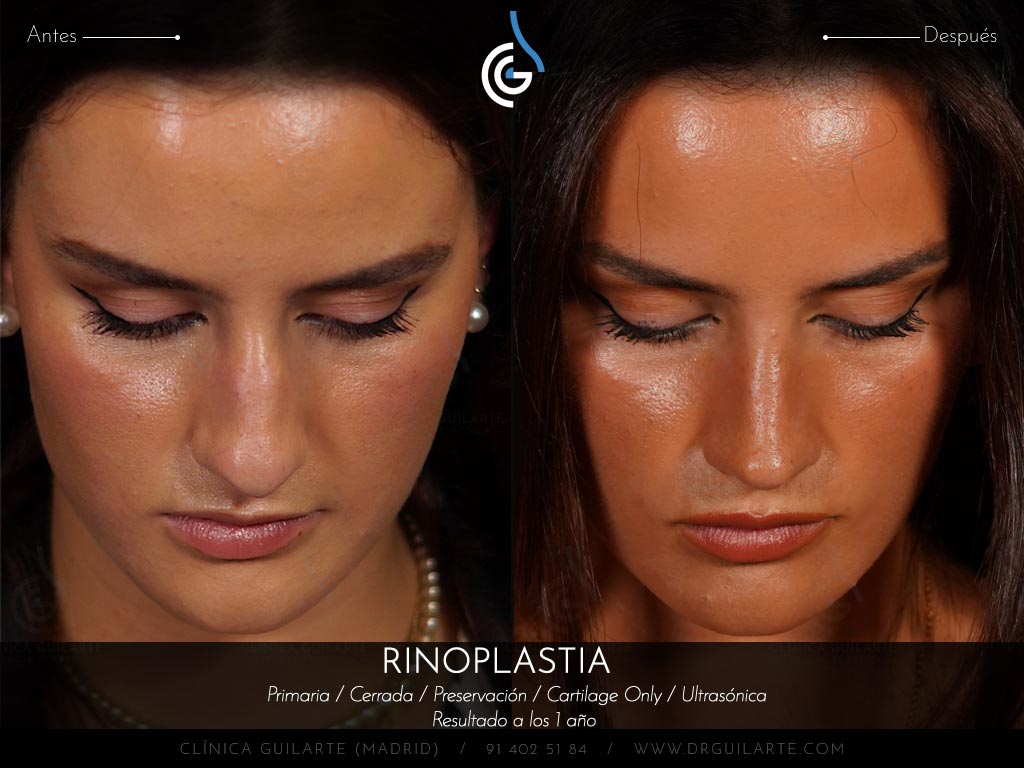
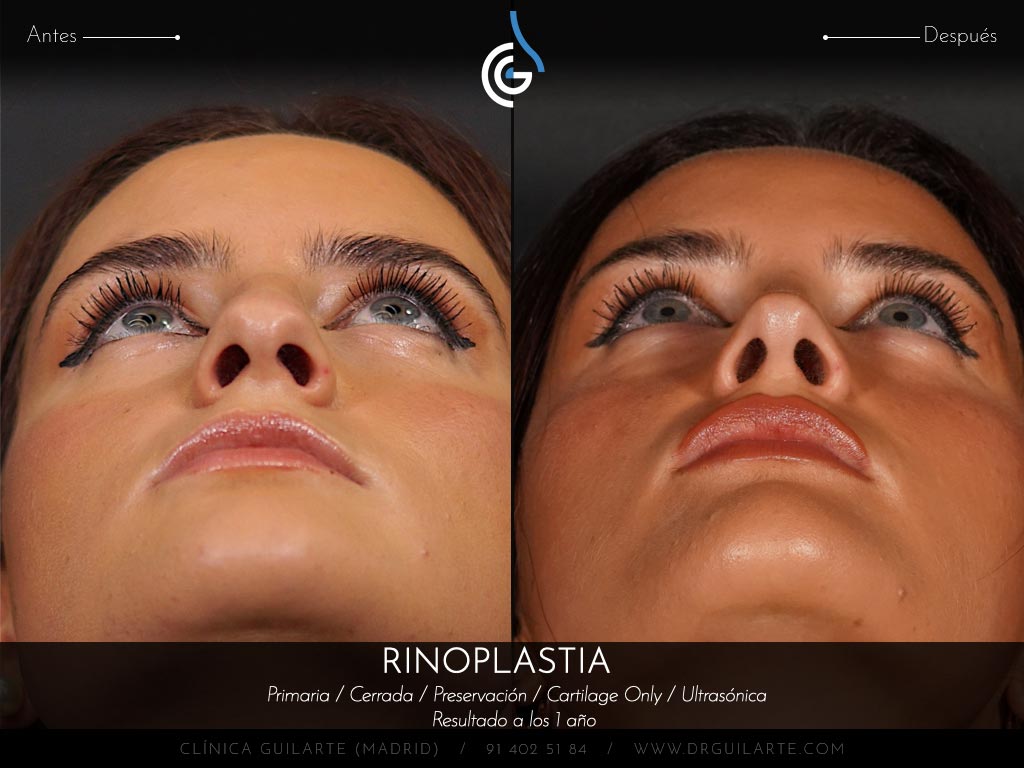
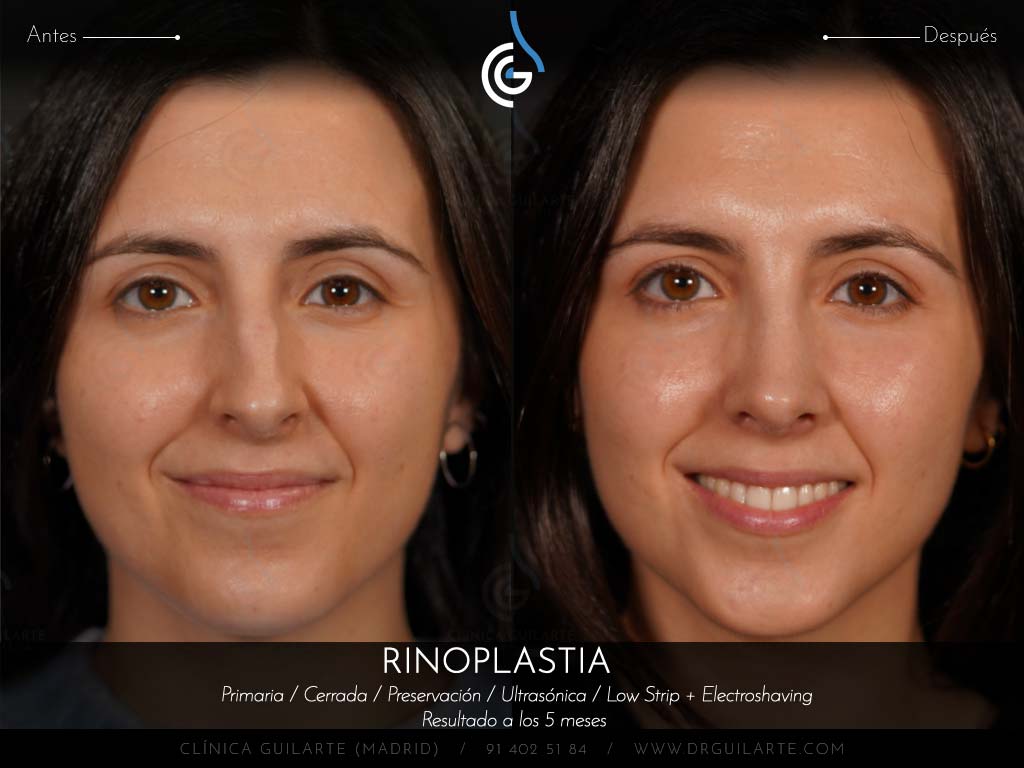
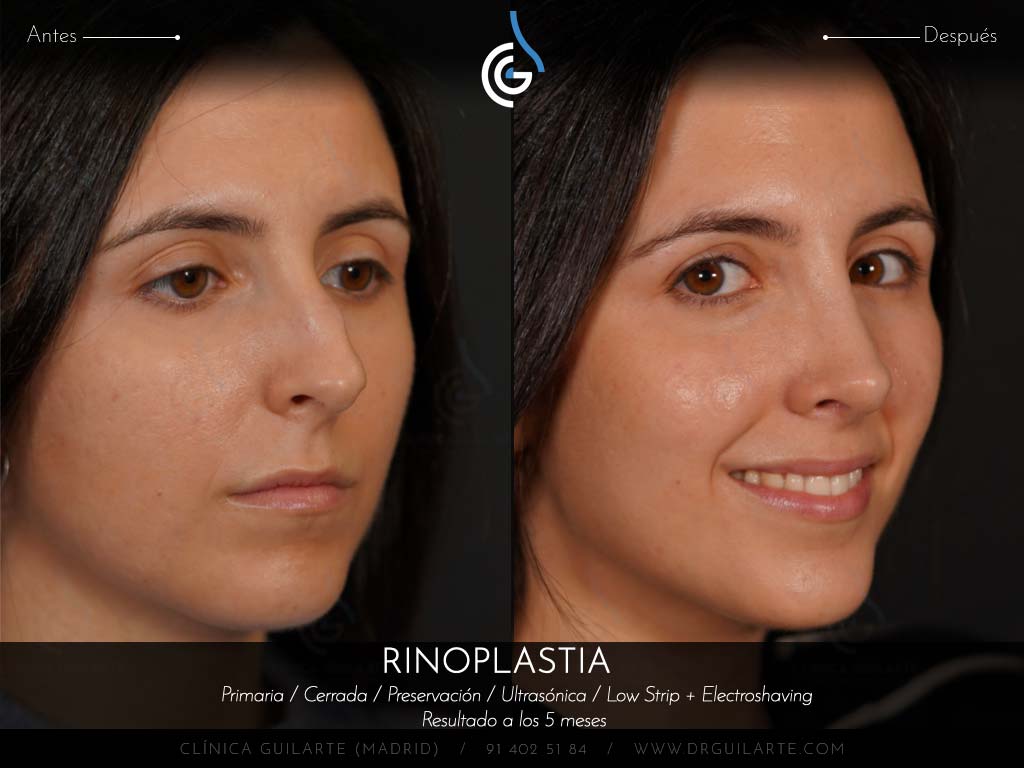
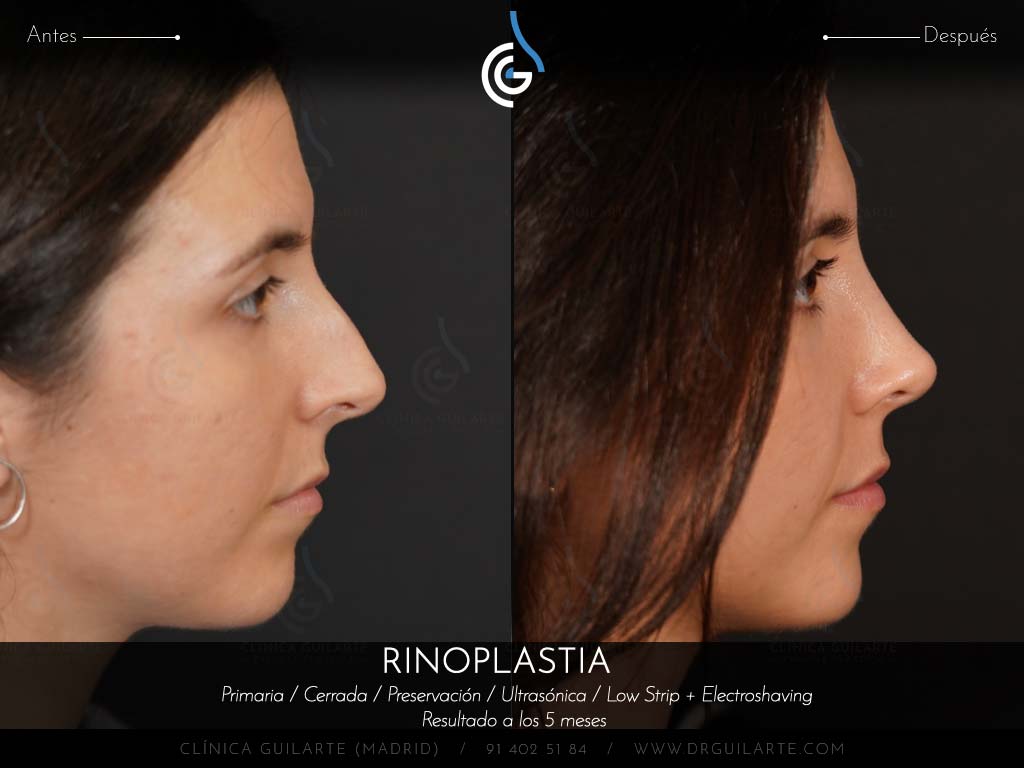
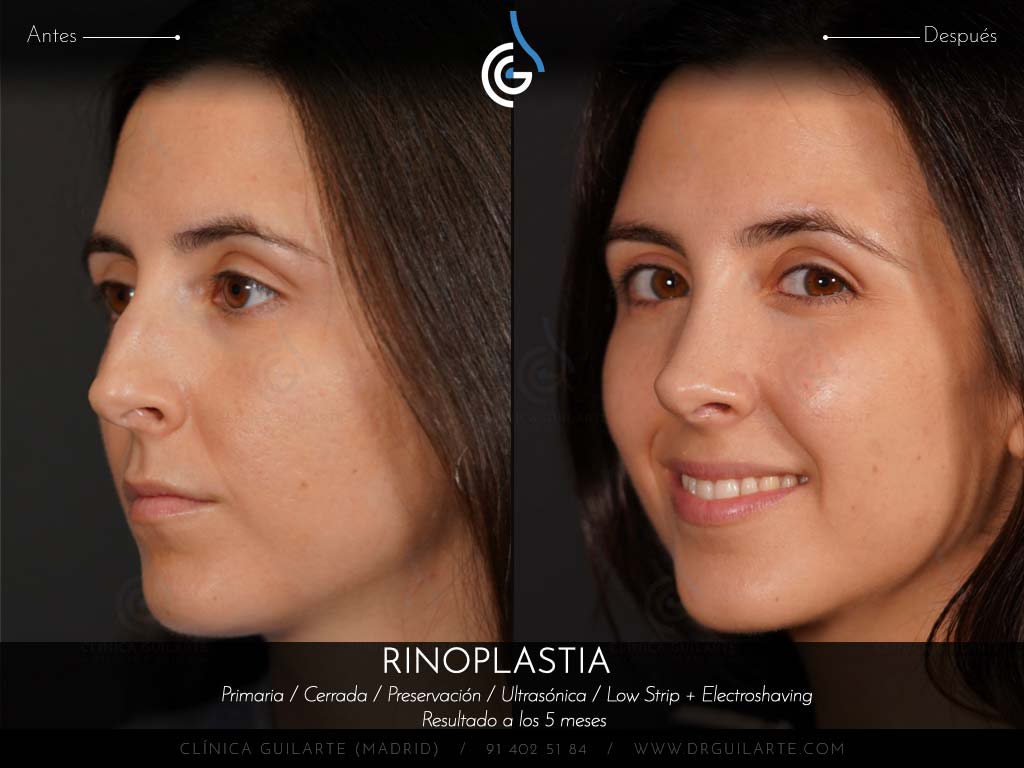
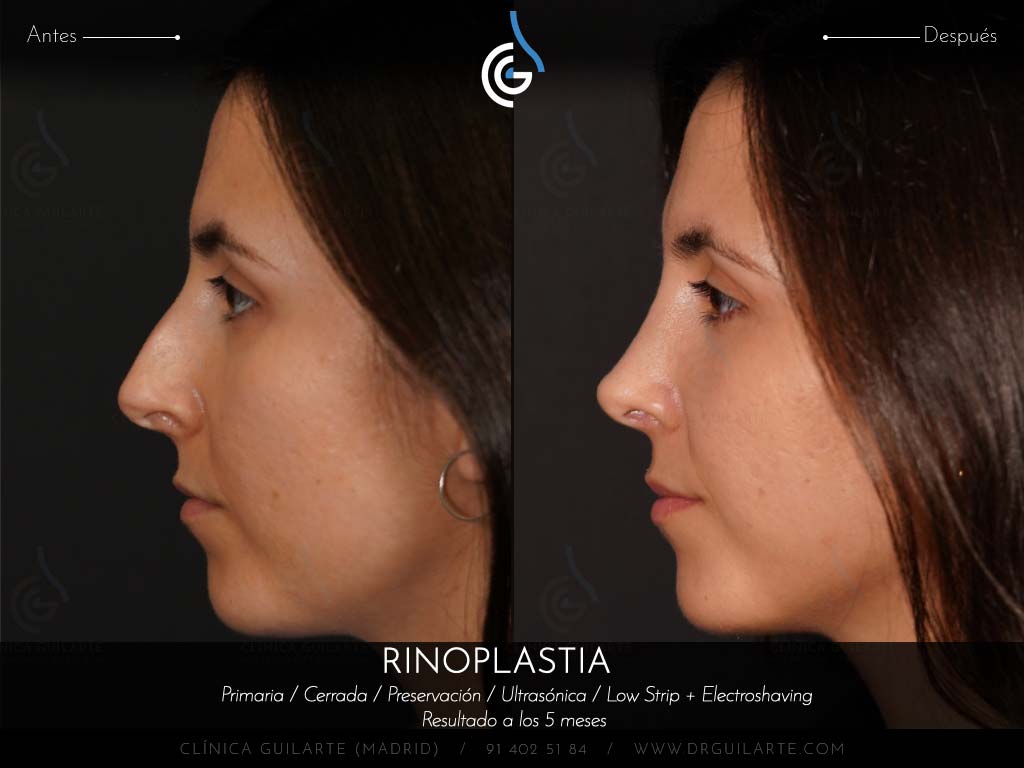
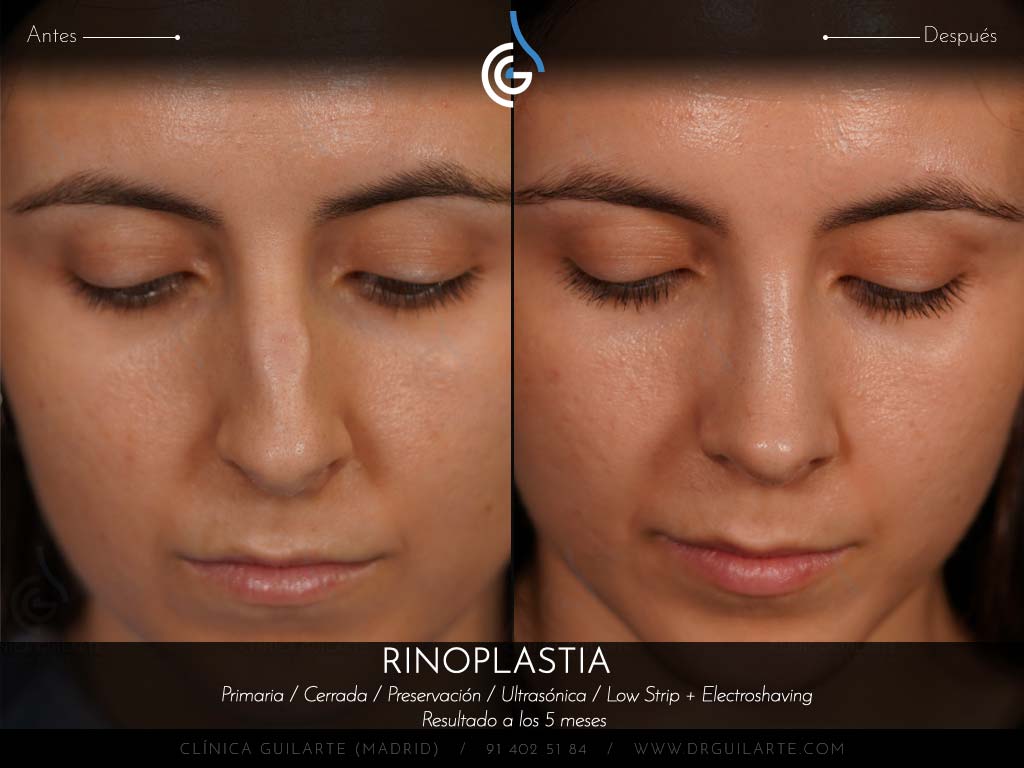
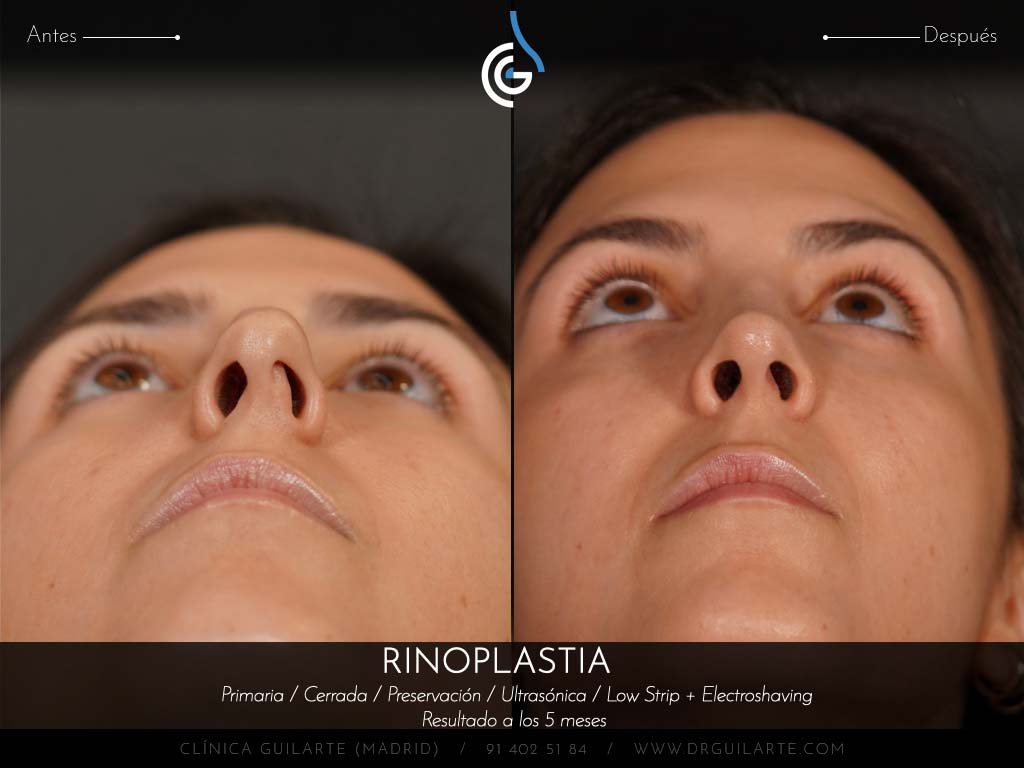
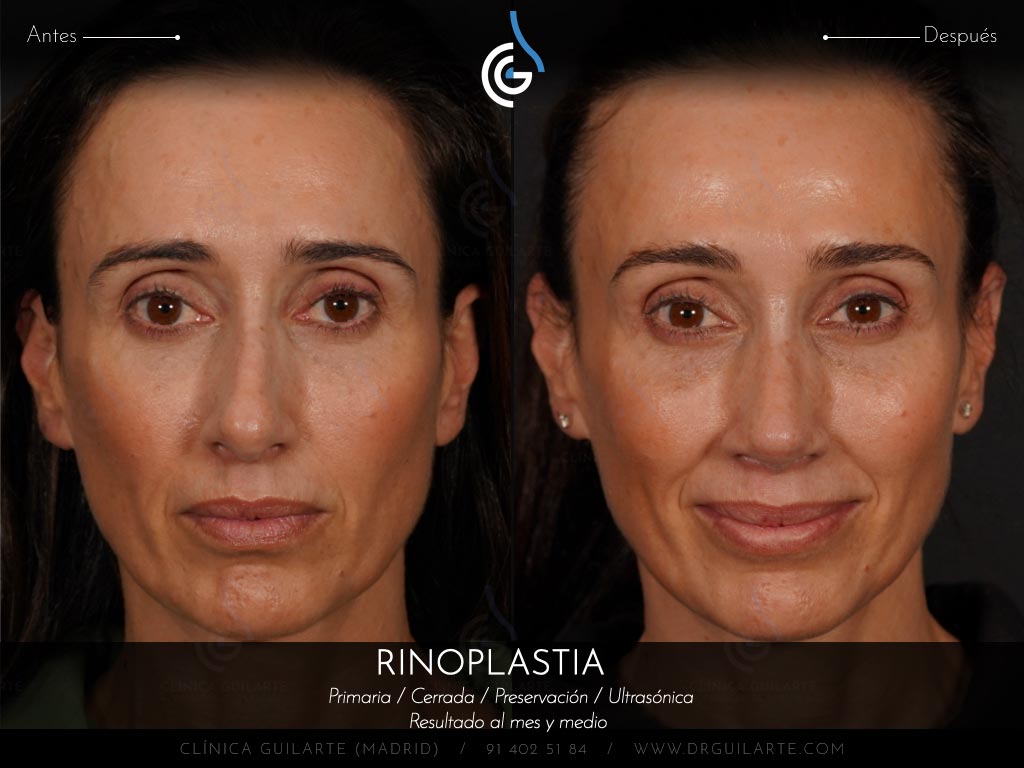
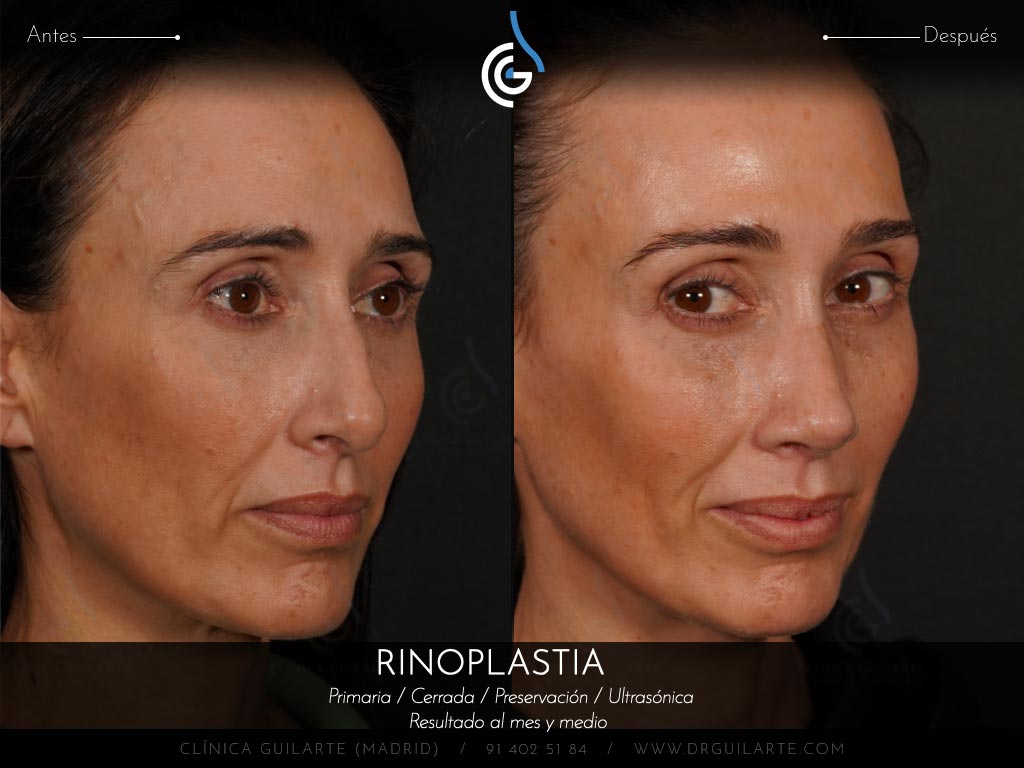
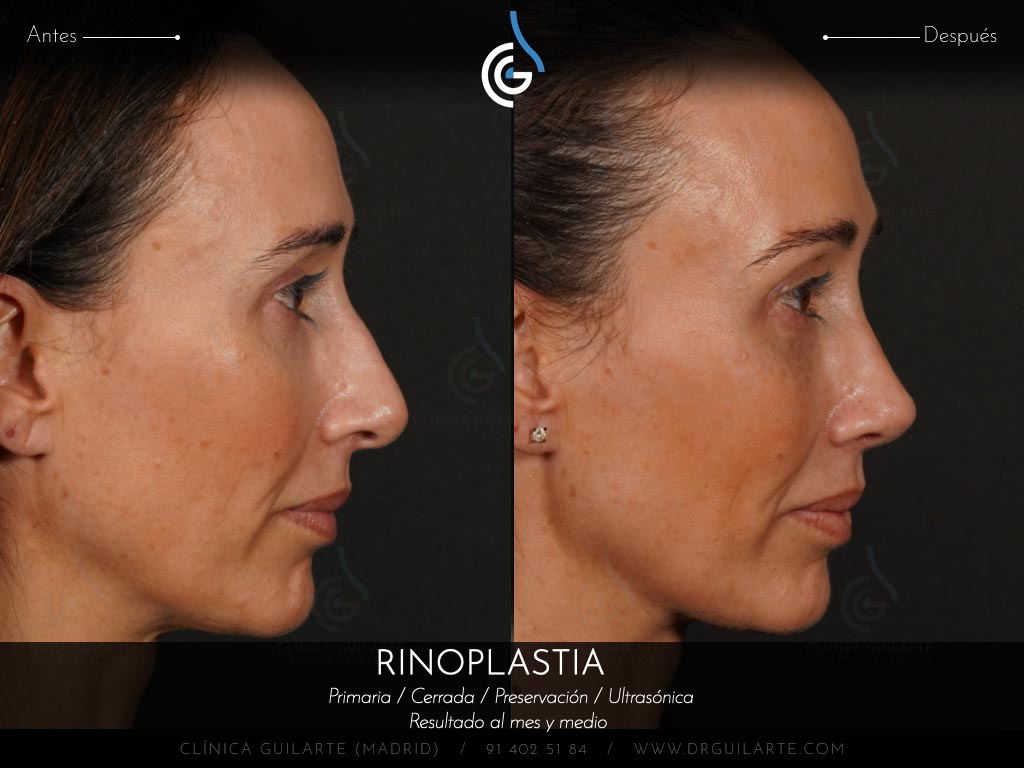
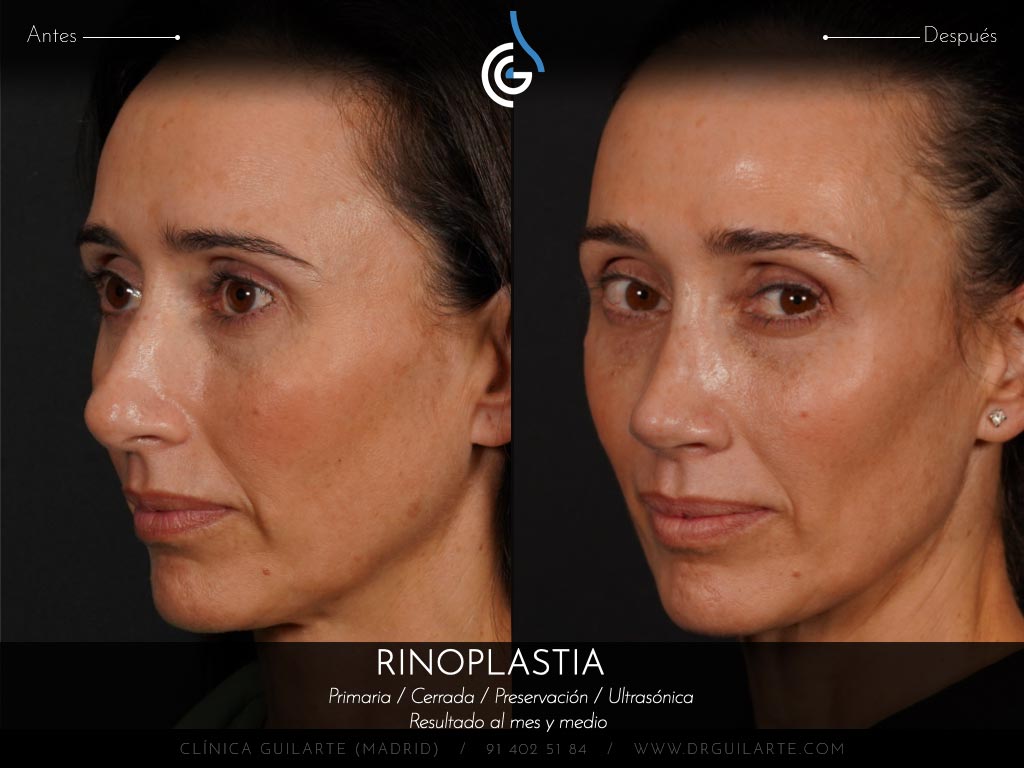
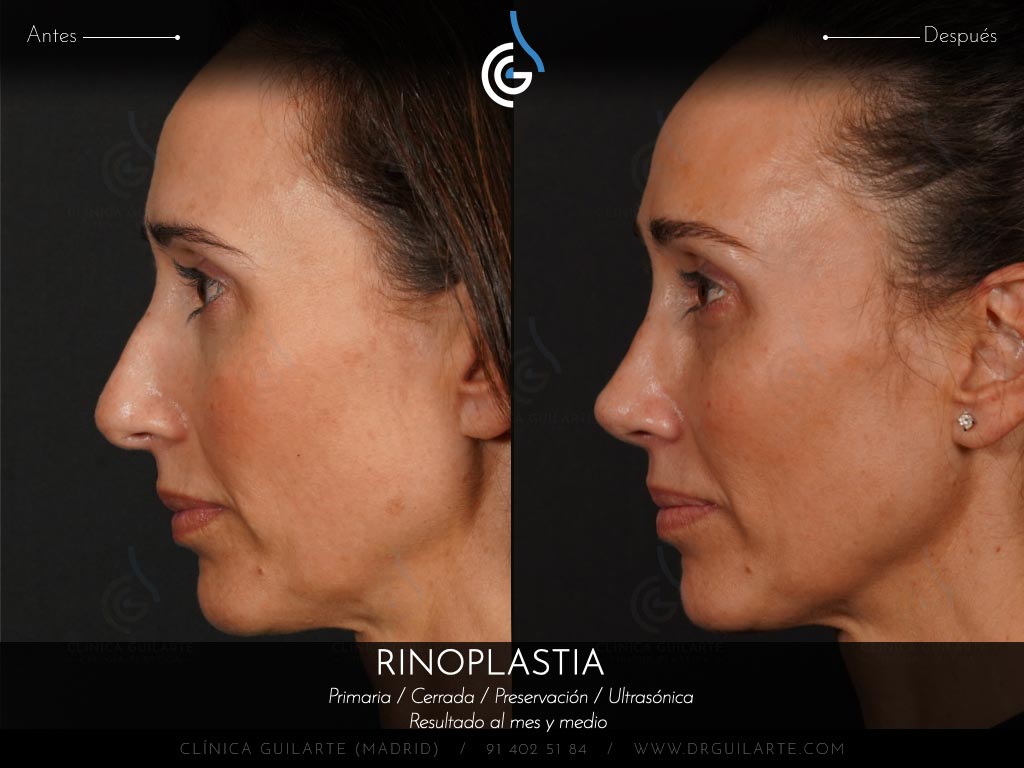
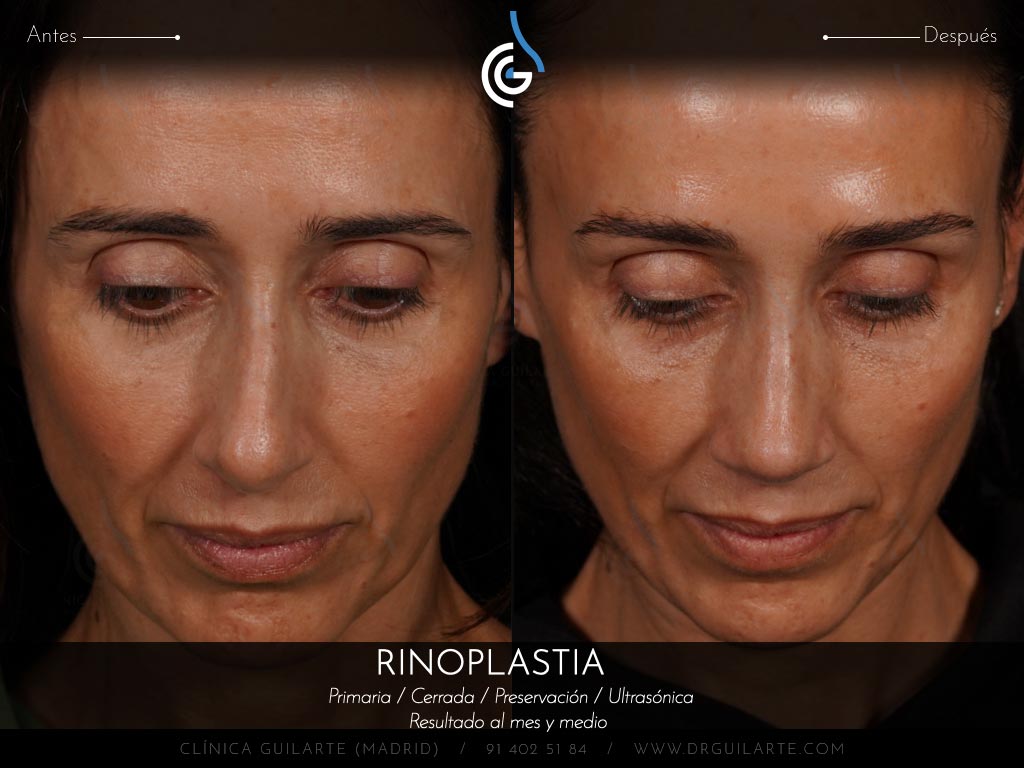
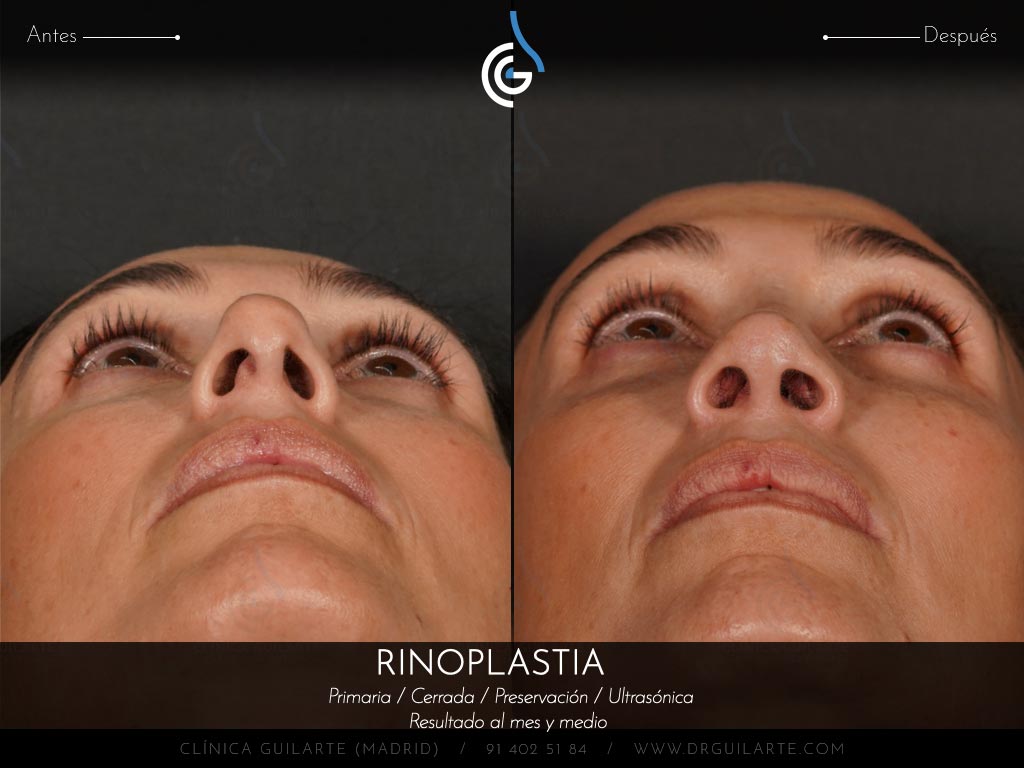
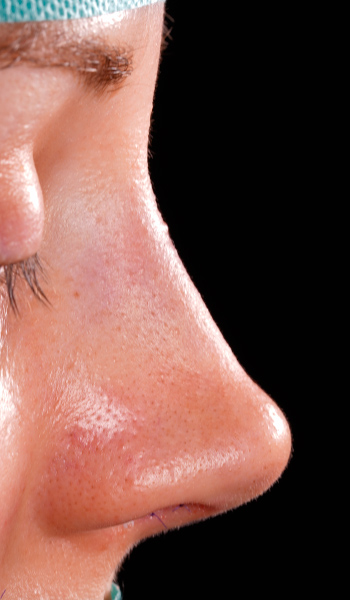
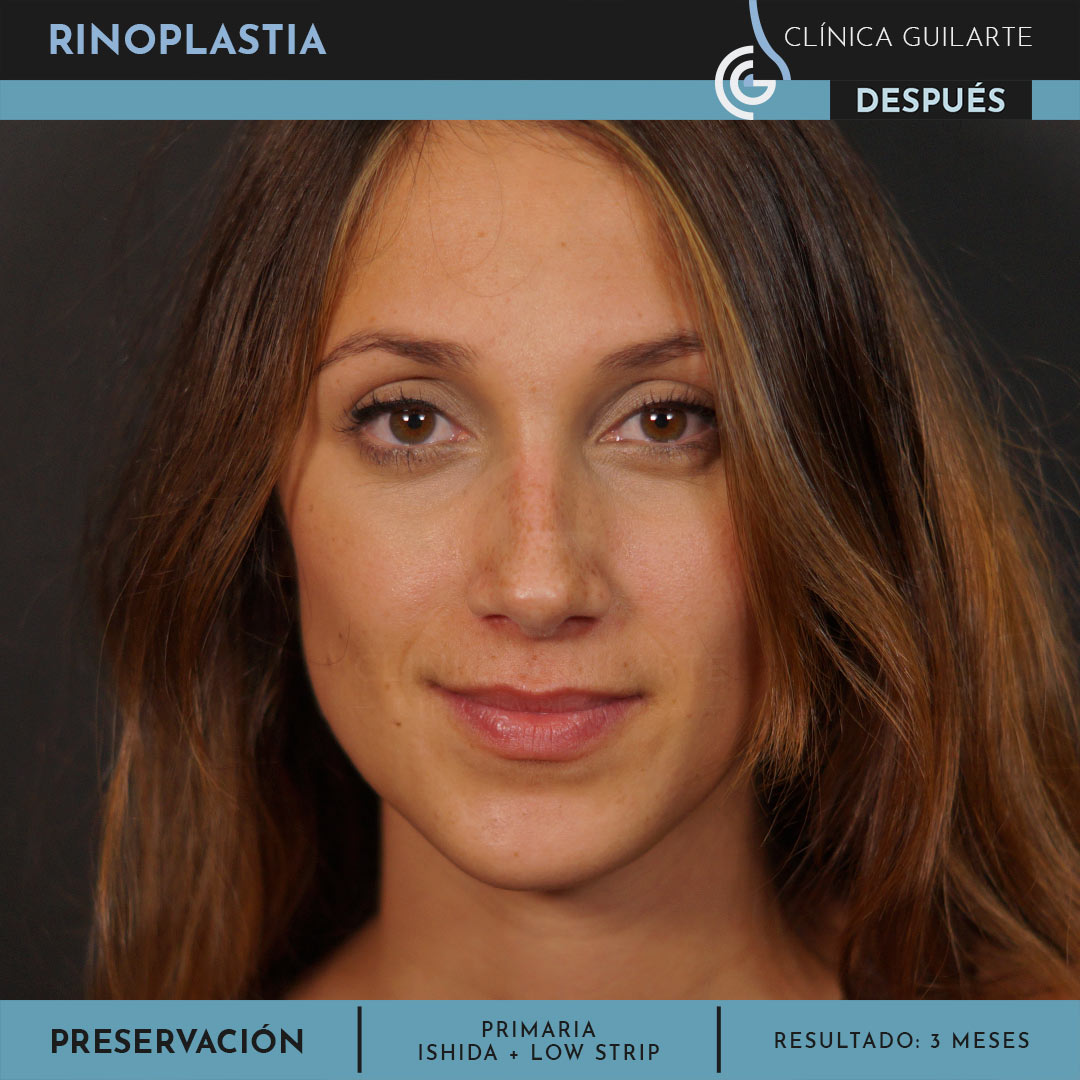
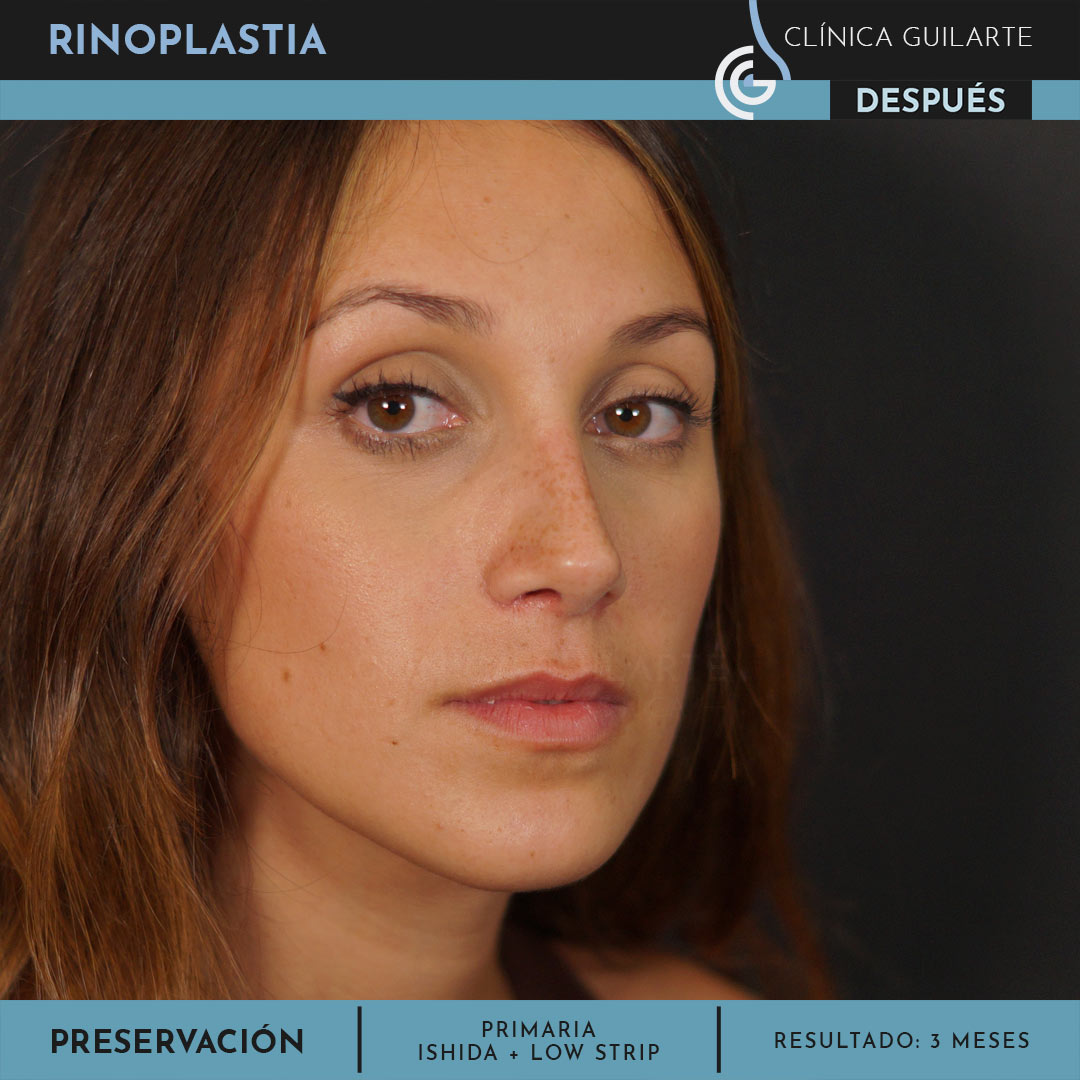
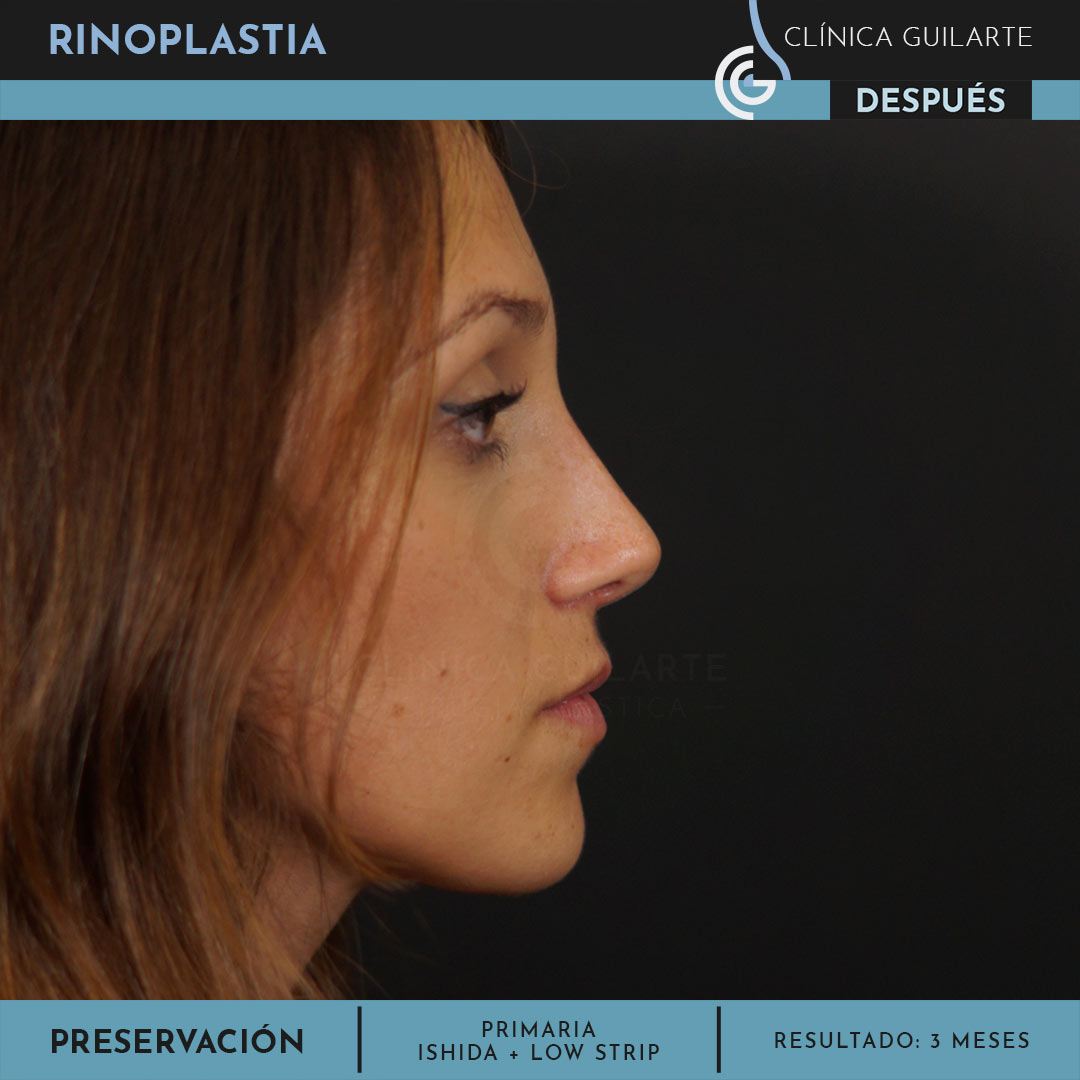
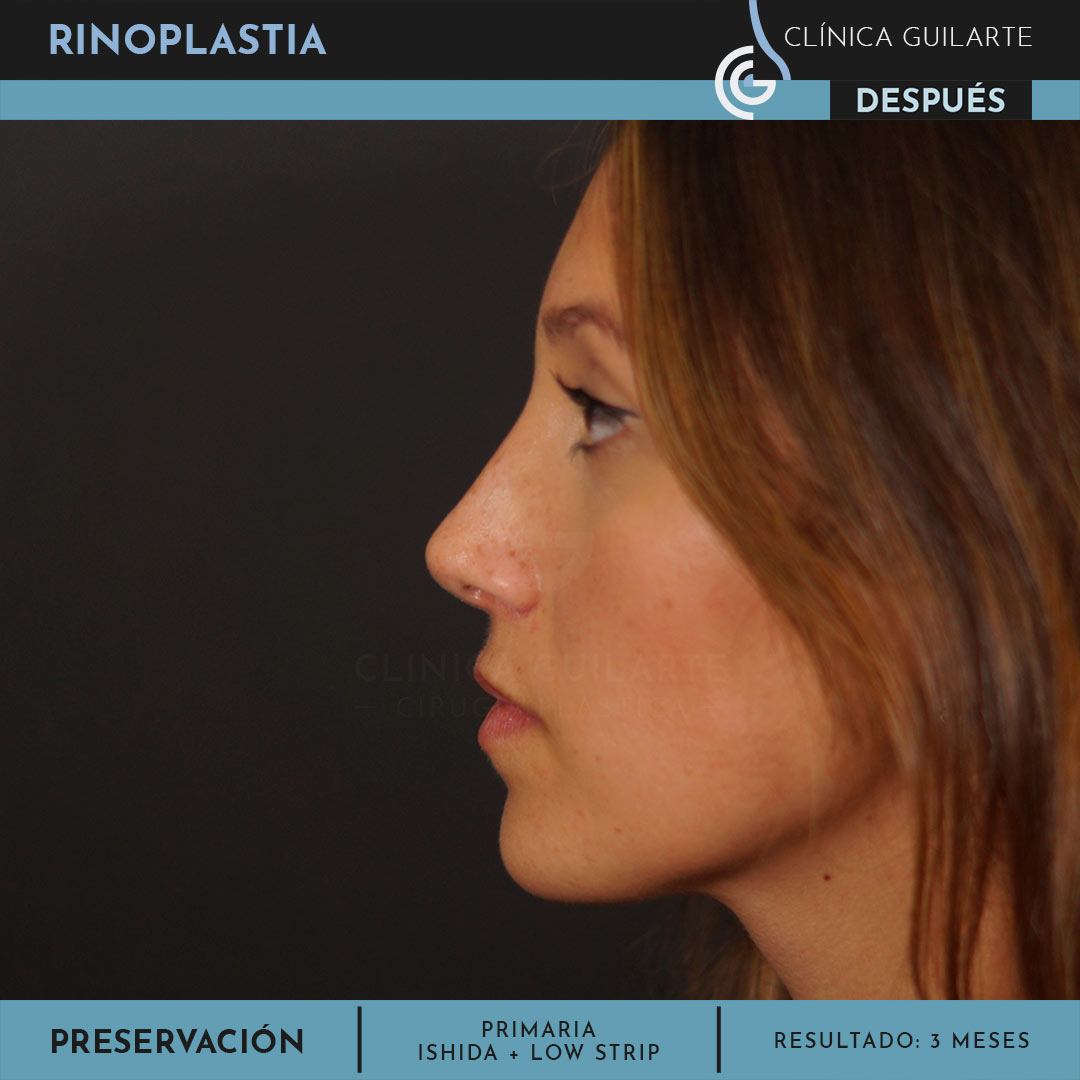
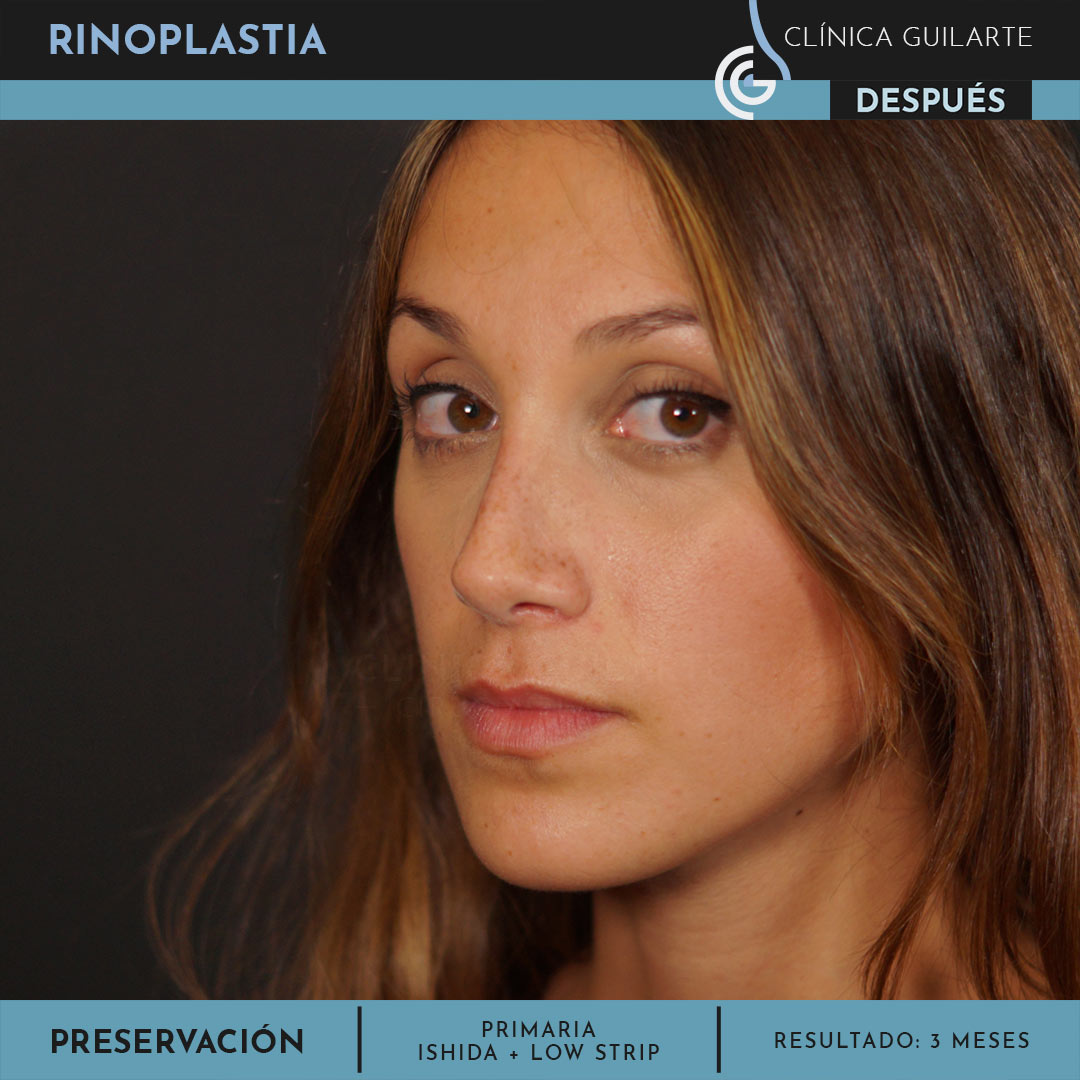
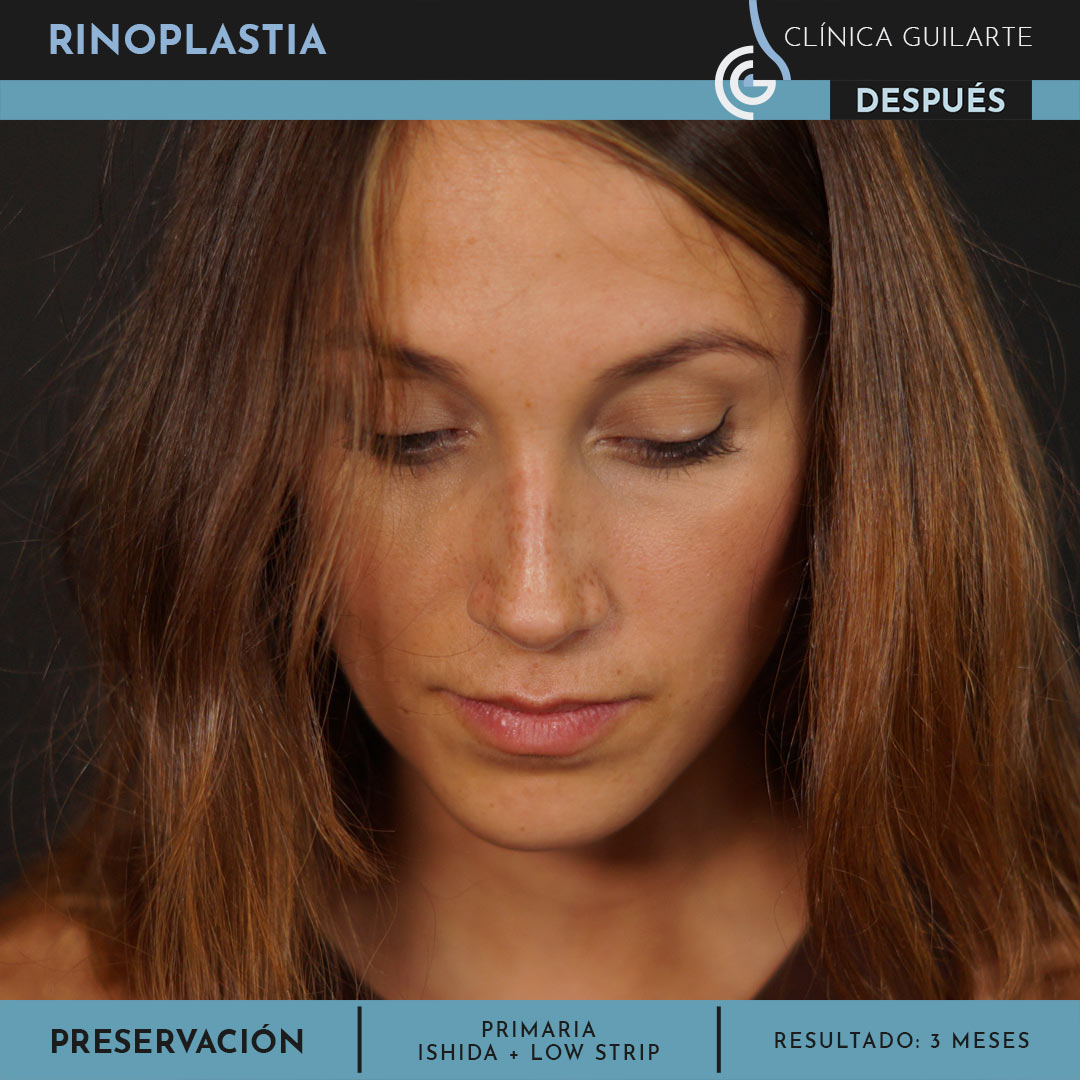
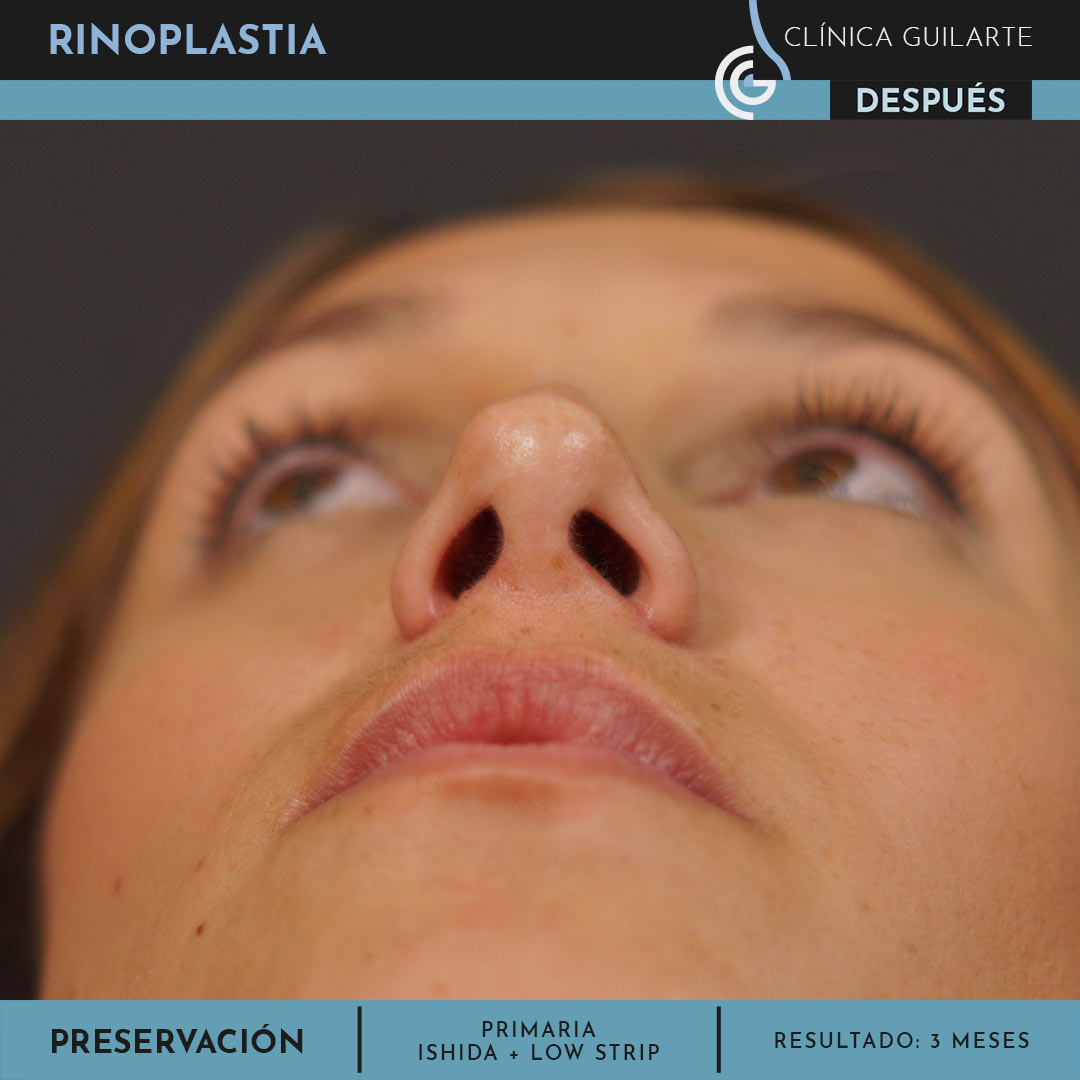
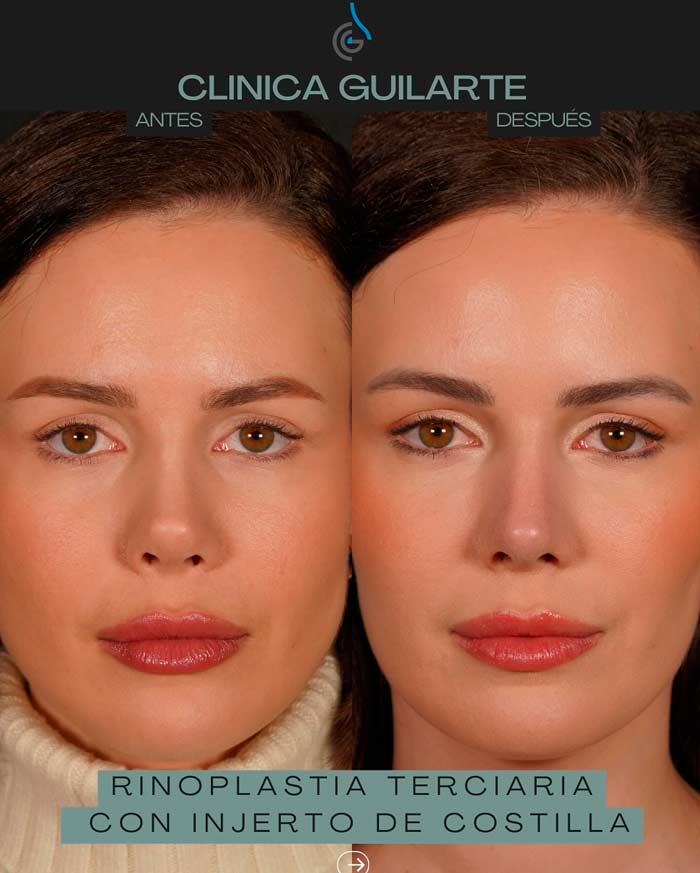
Below we present an example of a Preservation Rhinoplasty result. We will then explain what this technique involves and what its advantages are:
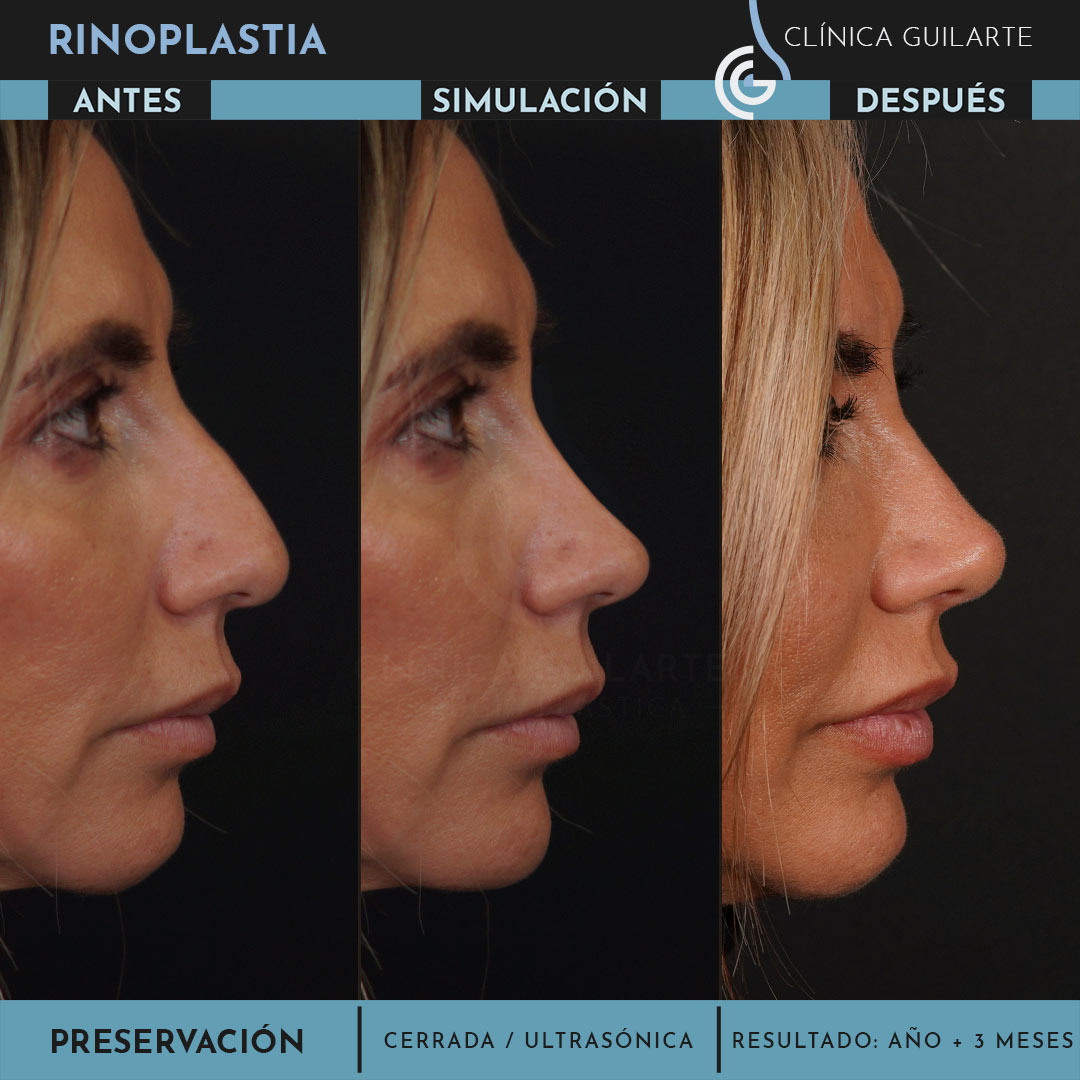
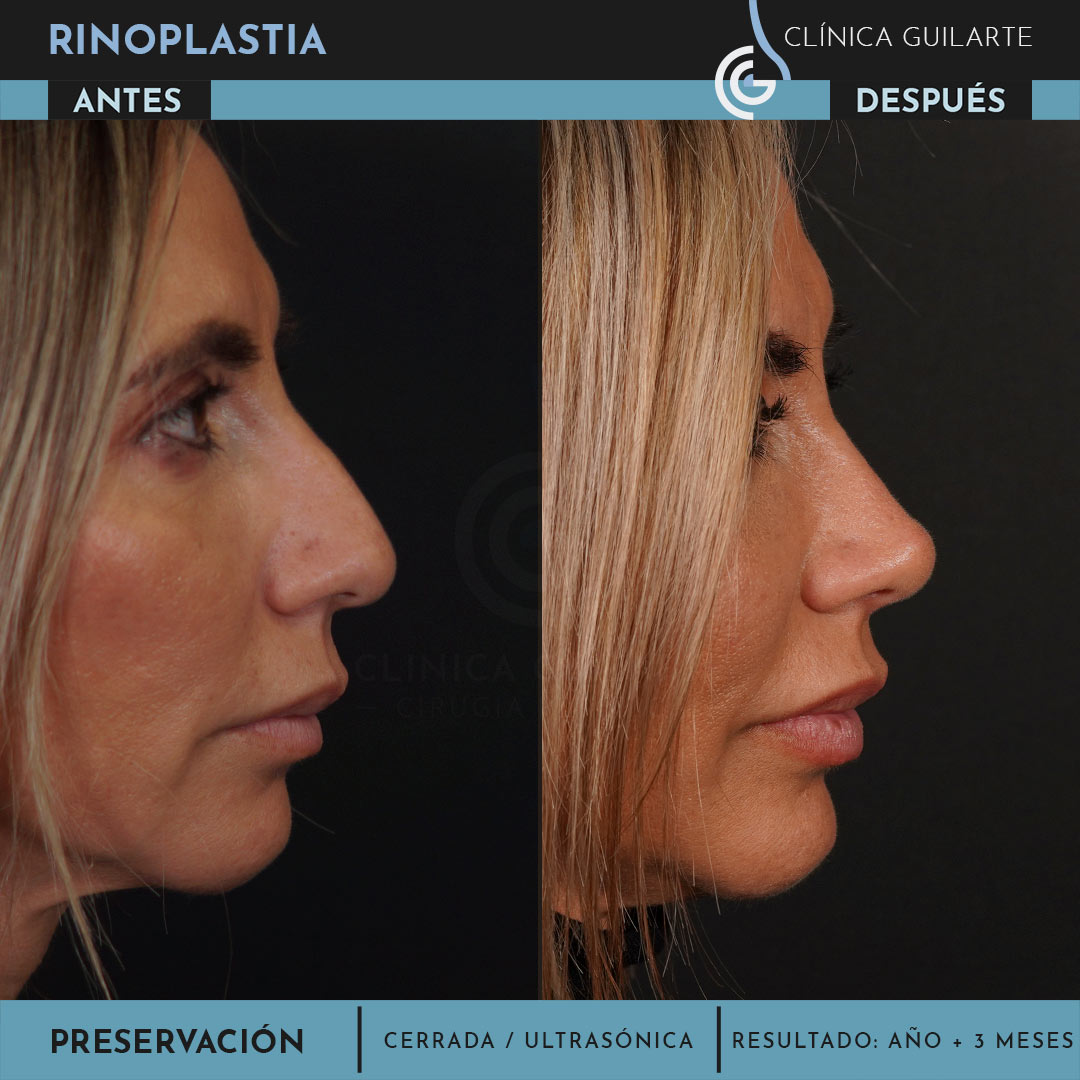
An artificial-looking nose should never be the goal — it would give an unnatural, operated appearance. We must preserve the positive and natural aspects of your nose and improve those that detract from it, achieving an aesthetic result that truly “fits” your face. — Dr. Guilarte

What is Rhinoplasty?

Rhinoplasty is a highly individualised procedure. There is considerable variation between patients in terms of facial shape, nasal structure, skin type, and other factors. Each patient therefore has unique needs, and the specific type of nose surgery required will vary accordingly.

Staying at the forefront of advances in plastic surgery is essential, which is why we are pioneers in Ultrasonic Rhinoplasty and Preservation Rhinoplasty.

Ultrasonic Rhinoplasty is based on the use of the ultrasonic piezotome, a tool that allows precise bone reshaping while minimising damage to the surrounding soft tissues. Preservation Rhinoplasty is founded on the principle of preserving the natural structure of the nose — altering its shape while retaining the elements that do not require modification, as well as those features that define the patient’s individual character.

The use of these advanced techniques improves both the surgical recovery and the final outcome. As they are more respectful of the nasal structure, bruising — once common after rhinoplasty — is avoided in the majority of cases, shortening recovery time, improving patient comfort, and producing more visible and natural results.

Through this nasal remodelling surgery, the external appearance of the nose can be improved in all its areas, whether addressing an excessive dorsal hump, an overly wide nasal bridge, or tip deformities. Additionally, this surgery can correct nasal septum deviation that causes breathing difficulties — a procedure known as septoplasty, which we discuss further below. For all these reasons, rhinoplasty must be tailored to each individual patient.

Hover over the image to watch the video
RHINOPLASTY KEY FACTS
Anaesthesia:
General
Procedure Duration:
2–3 hours
Hospital Stay:
24 hours
Discomfort:
Mild — more of a sensation of congestion than actual pain, due to nasal packing during the first 24 hours
Swelling:
Up to the 3rd month, although presentable in public within 1–2 weeks
Final Result:
At 6 months
Duration of Result:
Permanent

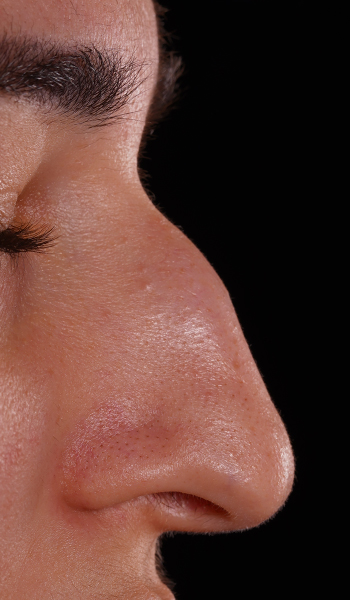
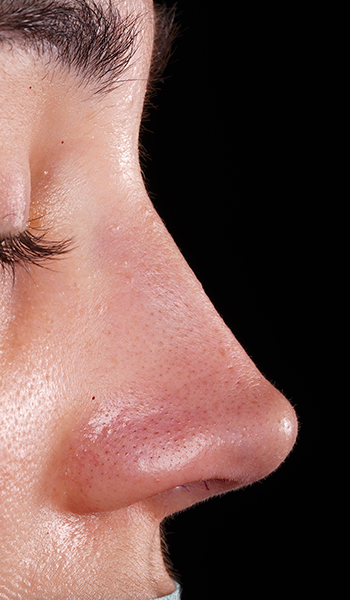
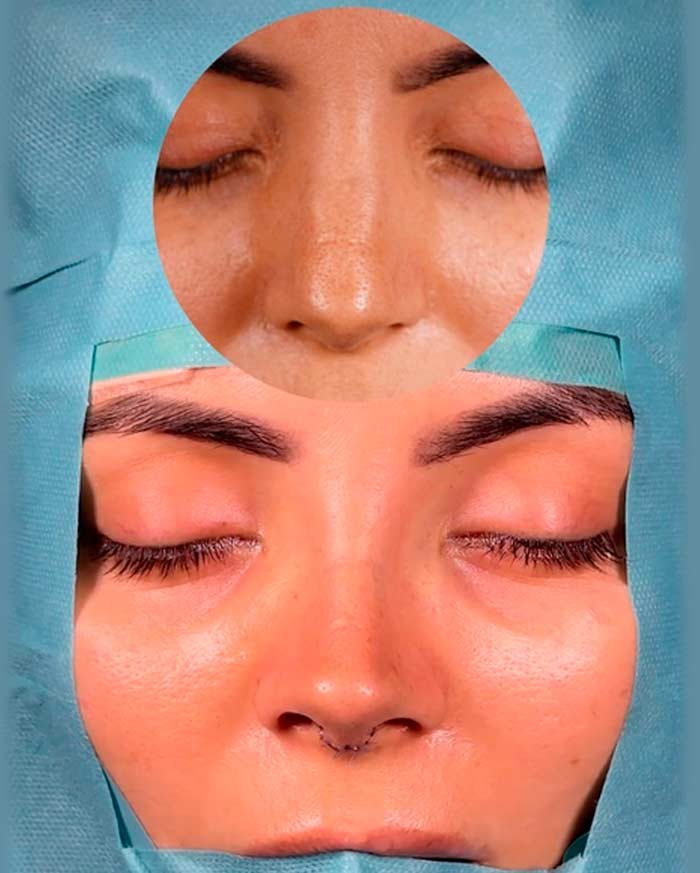
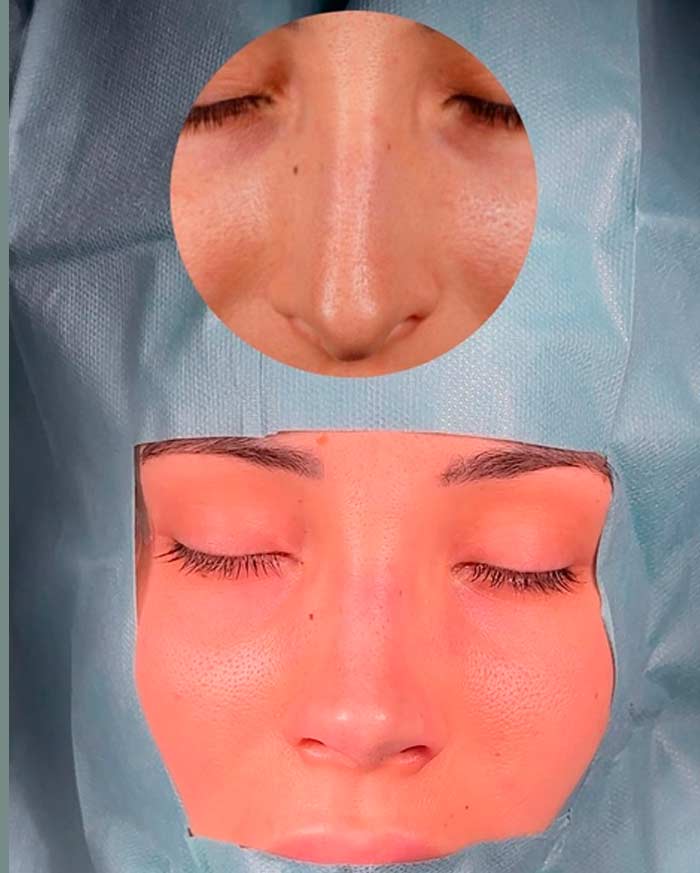
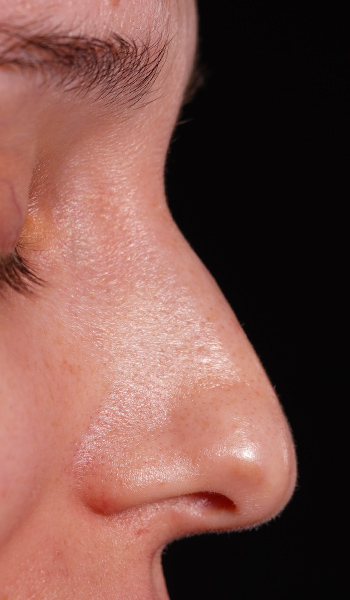
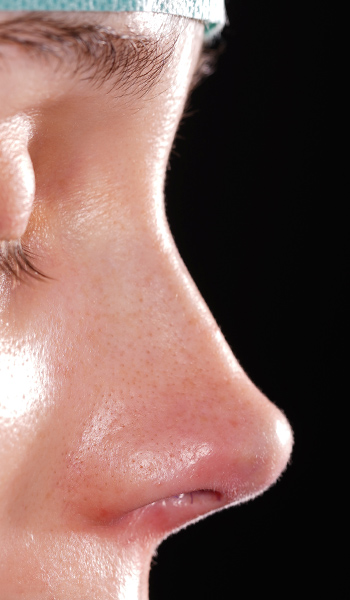
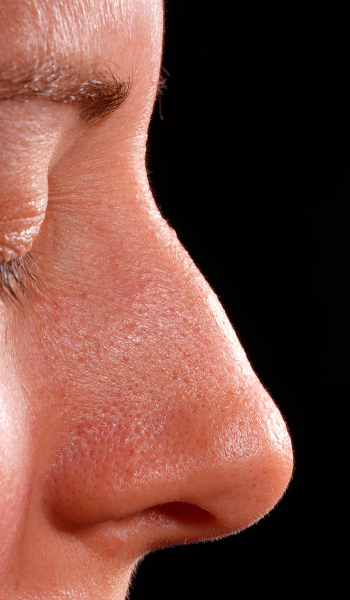
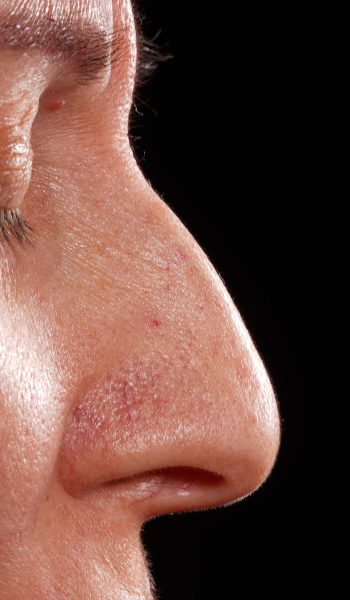
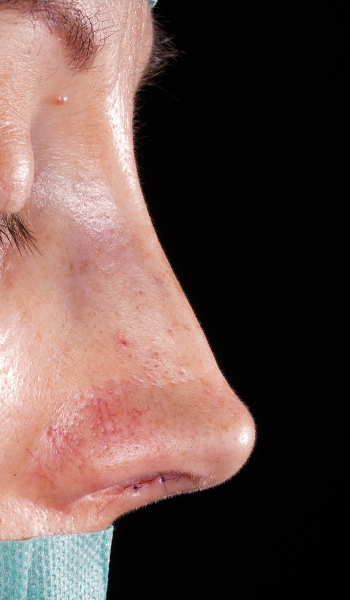
Today, the Preservation technique combined with the use of the piezotome produces these results at the end of surgery. Operating theatre photographs:

How a Plastic Surgeon Should Approach Rhinoplasty

A skilled plastic surgeon, such as Dr. Guilarte, knows how to make the precise modifications required in each individual case in order to achieve harmony between the nose and the surrounding facial structures, delivering the best possible aesthetic results. You can trust Dr. Guilarte for your rhinoplasty in Madrid.

“A nose does not need to be perfect. But if perfection is what you are looking for, tell me in our first consultation — be honest, I am prepared and I know how to achieve it. In many cases, however, a meaningful improvement can be accomplished without pursuing perfection. Your result is the priority, not a dramatic transformation I can show off at conferences, however impressive it may look. Your desired change is what matters most — not how far I can push the surgery. I will show you the options available for your face, but you need not choose all of them.” — Dr. Guilarte

Types of Rhinoplasty (With Before and After Photos)

We refer to Primary Rhinoplasty when describing the first surgical procedure to correct a problem that may be aesthetic and/or functional. Subsequent operations are referred to as Secondary, Tertiary, Quaternary, and so on. Ideally, a patient will require only one procedure; however, our clinic also performs revision surgery in cases where patients come to us to correct an unsatisfactory previous outcome or where the initial result did not meet expectations.

We refer to Closed Rhinoplasty when the procedure is performed entirely through the nostrils, and Open Rhinoplasty when dealing with more complex cases that require more specific modifications.

Beyond this classification, depending on the surgical objectives, methods and instruments used, a variety of terms describe the specific technique or procedure employed to achieve the agreed results (Structural, Preservation, Ultrasonic, High strip, Low strip, Rib Graft, etc.)

Among recent advances in this field, the most notable is the use of the ultrasonic piezotome for a less invasive nose surgery, known as Ultrasonic Rhinoplasty. However, the most significant development of the past three years is Preservation Rhinoplasty, which consists of preserving the fundamental nasal structures and their ligaments to achieve an even more natural final result.

The techniques employed by Dr. Guilarte are as follows:

  • Ultrasonic Rhinoplasty for the treatment of the nasal dorsum bones.
  • Preservation Rhinoplasty for the treatment of the cartilages, both of the dorsum and the tip.

Ultrasonic Rhinoplasty: Five Key Advantages

  • Greater precision in cutting and smoothing the nasal bones
  • Fewer intraoperative complications
  • Enhanced safety for the patient
  • Faster recovery compared to conventional rhinoplasty
  • Quicker return to normal activities after surgery

More information on Ultrasonic Rhinoplasty

Preservation Rhinoplasty: Five Key Advantages

  • Minimal disruption to nasal structures
  • Reduced risk of complications
  • Less post-operative swelling
  • Excellent appearance from the tenth day onwards
  • Higher patient satisfaction

More information on Preservation Rhinoplasty

What is Ultrasonic Rhinoplasty?

Today, Ultrasonic Rhinoplasty is the most advanced technique available for nasal bone surgery. It is based on the use of the piezotome, a precision instrument that allows the bones to be treated with greater control and accuracy, providing enhanced surgical safety and a faster post-operative recovery. It is important to note that the piezotome is designed exclusively for treating bone structure and cannot be used on cartilage.

We use Ultrasonic Rhinoplasty when our objective is to reduce the dorsal hump, reposition a deviated nasal septum, or narrow the nasal bridge.

What is Preservation Rhinoplasty?

Preservation Rhinoplasty is an innovative technique that allows the fundamental nasal structures to be treated without damaging ligaments or nasal valves. It is a relatively recent technique that has revolutionised the field of rhinoplasty.

Bruise-free nose surgery is possible. — Dr. Guilarte

Ultrasonic and Preservation Rhinoplasty in Madrid

At ClĂ­nica Guilarte, we are pioneers in Ultrasonic Rhinoplasty and Preservation Rhinoplasty. Our clinic is located in Madrid, and from the Spanish capital we serve patients from across the country and from around the world. If you are travelling from outside Madrid, please rest assured that we have a well-established protocol for every stage of the process. Regardless of your location, we will assist you with both your pre- and post-operative planning.

It is worth noting that Ultrasonic Rhinoplasty and Preservation Rhinoplasty are technically more demanding than conventional rhinoplasty, as they require a higher level of surgical skill. Ultrasonic Rhinoplasty is a complex procedure, but because it is minimally traumatic to surrounding tissues, it results in less post-operative swelling and bruising, leading to a faster and more comfortable recovery. Preservation Rhinoplasty is even more exceptional — it is an innovative technique that demands exceptional surgical expertise, and as a result, very few plastic surgeons in Spain are trained in these methods. The post-operative experience is remarkable in comparison to conventional rhinoplasty.

Video examples of piezotome use
Cutting and reshaping the nasal bones without damaging soft tissues:

Does not damage membranes or blood vessels

The bone cut is clean and does not affect surrounding tissue

Bone smoothing is precise and does not affect surrounding tissue

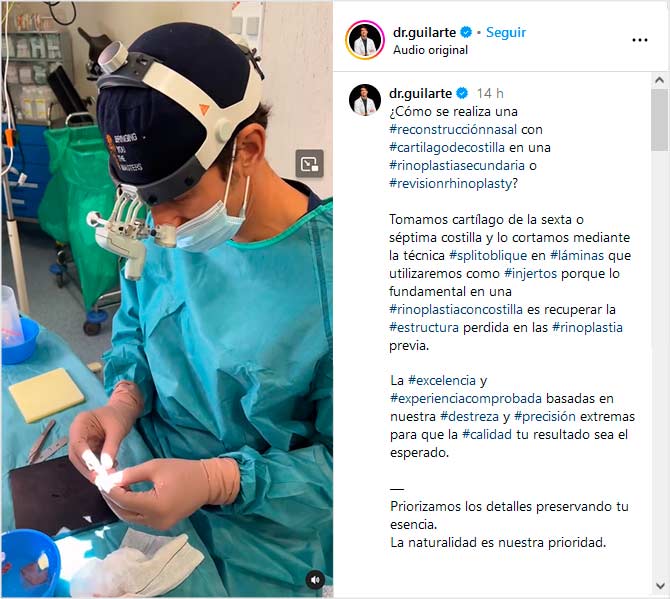
Instagram: Immediate intraoperative results

Innovation means applying Preservation Rhinoplasty concepts within a Structural Rhinoplasty to achieve more natural outcomes. Excellence is achieved when every millimetre of precision makes a difference.

Rhinoseptoplasty: the Functional Approach in Nasal Plastic Surgery

Rhinoseptoplasty is a surgical procedure that combines aesthetic rhinoplasty with functional septoplasty, addressing both respiratory function and the external appearance of the nose. Here we explore rhinoseptoplasty from the perspective of a plastic surgeon primarily focused on resolving functional concerns — prioritising the patient’s health and wellbeing while giving careful consideration to aesthetic outcomes, always with our particular philosophy in mind: achieving a natural-looking result.

One of the primary goals of functionally-oriented rhinoseptoplasty is to address nasal obstruction. Nasal function refers to the ability to breathe efficiently through the nasal passages, and any disruption to this process can lead to significant health issues.

Respiratory Insufficiency

Respiratory insufficiency is a condition characterised by inadequate airflow through the nasal passages. This may result from a variety of causes, including structural deformity, the presence of nasal polyps, or a combination of anatomical factors. For a plastic surgeon focused on function, resolving nasal respiratory insufficiency is a priority. The goal is to restore an appropriate balance to the nasal structure, enabling optimal airflow.

Nasal Septum Deviation

Nasal septum deviation is a significant contributor to chronic nasal congestion and, in more severe cases, difficulty breathing. Correcting this condition improves the patient’s quality of life and, at the same time, contributes to a more symmetrical and aesthetically pleasing appearance.

Conclusion

When approached from a functional perspective, rhinoseptoplasty aims not only to improve the aesthetic appearance of the nose, but also to resolve breathing difficulties that affect the patient’s quality of life. A plastic surgeon committed to nasal function takes a comprehensive approach, carefully evaluating and correcting obstructions and deviations that may contribute to respiratory insufficiency.

Am I a Good Candidate for Rhinoplasty?

The ideal candidates for rhinoplasty are women and men who have a relatively unflattering nasal profile and are concerned about how one or more features of their nose affect the overall appearance of their face. Rhinoplasty may also be appropriate for older patients experiencing a loss of skin elasticity, which can cause the nasal tip to droop — a change commonly associated with facial ageing. Finally, it is also indicated for individuals experiencing impaired nasal breathing.

This type of surgery can be performed from the age of 16, once adolescence has passed. The result is permanent and any scarring is virtually imperceptible.

It is important to bear in mind that the primary goal of the procedure is to enhance your appearance, not to achieve perfection.

Pre-operative Assessment for Rhinoplasty

Prior to your rhinoplasty, Dr. Guilarte will assess your general state of health and evaluate the proportions of your nose and face, as well as your skin type and tone.

Please ensure you mention whether you smoke, or whether you are taking any medication, vitamin supplements or similar products. It is important to express your expectations honestly and openly.

Sharing your expectations and informing the doctor of your health status will allow Dr. Guilarte, your rhinoplasty surgeon, to be equally transparent with you and to present the available options for your particular concern, along with the risks and limitations associated with each.

Together, you and Dr. Guilarte will determine the optimal surgical approach to achieve a more harmonious nasal profile — preserving the positive characteristics of your nasal contour while correcting those features that detract from it. To this end, a digital simulation of the expected outcome will be produced, so that you can form the most realistic expectations possible.

Rhinoplasty and Anaesthesia

Rhinoplasty must always be performed in an operating theatre within a hospital setting. For rhinoplasty in Madrid, Dr. Guilarte performs all procedures at Hospital Ruber. This is a procedure that should never be carried out in a clinic or outpatient setting.

The most commonly used form of anaesthesia for nose surgery is general anaesthesia, during which you will remain completely asleep throughout the procedure. From our perspective, this is essential in order to maintain full control and security of the airway during surgery. General anaesthesia is considerably safer than local anaesthesia combined with sedation.

Rhinoplasty essentially involves “sculpting” the framework of bone and cartilage that underlies the skin of the nose. This can be achieved through incisions made inside the nostrils, leaving no visible scarring: the closed technique. In more complex cases, however, an incision may be required in the skin of the columella — the strip of tissue between the nostrils — for example, to achieve more precise tip refinement. This is known as the open technique.

In more complex rhinoplasties where nasal structural reconstruction is required and insufficient cartilage framework is available — due to loss caused by trauma or a previous surgery — it will be necessary to obtain additional support material through auricular or costal cartilage grafts, as described further below.

Only when the open technique is used and/or when narrowing of the nasal alar base is required, may some scarring result; however, although visible, these scars are typically imperceptible due to their precise placement.

A complete rhinoplasty procedure generally lasts between 1 and 3 hours, depending on the extent of correction required.

Post-operative Care After Rhinoplasty

During the 24 hours following nose surgery, rest is recommended in order to better manage discomfort and reduce the risk of bleeding.

In some cases, bruising and swelling around the eyes may appear. This is normal and may increase over the following days, but is not a cause for concern.

The commonly referred to “nasal packing” is removed within a variable timeframe (generally within the first 24 hours) at our Madrid clinic, or prior to discharge on the day following surgery. This packing is particularly important in cases where a septoplasty has been performed.

In the majority of cases, patients may resume sedentary work within 48 hours. Wearing glasses, engaging in strenuous physical activity, or blowing the nose should be avoided for approximately one month.

During the post-operative period, the analgesics recommended by Dr. Guilarte will manage any discomfort that may arise. You should not experience significant pain — what you feel will be mild discomfort rather than acute pain.

The splint placed over the nose at the end of the procedure should be worn for approximately 6–7 days.

Intraoperative before and after images taken in the operating theatre.

Hover over the image to watch the transformation video.

Approximately between ten and fourteen days after surgery, bruising will have resolved and the majority of swelling will have subsided, and your appearance will be virtually back to normal. Please bear in mind that some minor residual swelling — barely perceptible — is normal and may take several months to fully resolve. Once it does, the nasal tip will feel completely soft and the nasal profile will be clearly defined. Sun exposure and UV treatment should be avoided for a minimum of three months following rhinoplasty.

Rhinoplasty Risks and Safeguards

Rhinoplasty is a safe surgical procedure with a high satisfaction rate when performed by a qualified and experienced plastic surgeon. However, as with any surgery, the possibility of complications exists; while rare and generally minor, they can occur.

These may include infection, excessive bleeding, or an adverse reaction to anaesthesia (occurring in approximately 1 in 6,000 to 12,000 cases).

Small superficial blood vessels may occasionally appear on the nasal skin; these are generally temporary and tend to resolve on their own. Many of these risks can be minimised by carefully following the pre- and post-operative instructions provided by Dr. Guilarte.

As a general rule, incisions are made inside the nose, meaning that any resulting scars from your nose surgery will not be visible at any point.

Key Considerations in Rhinoplasty

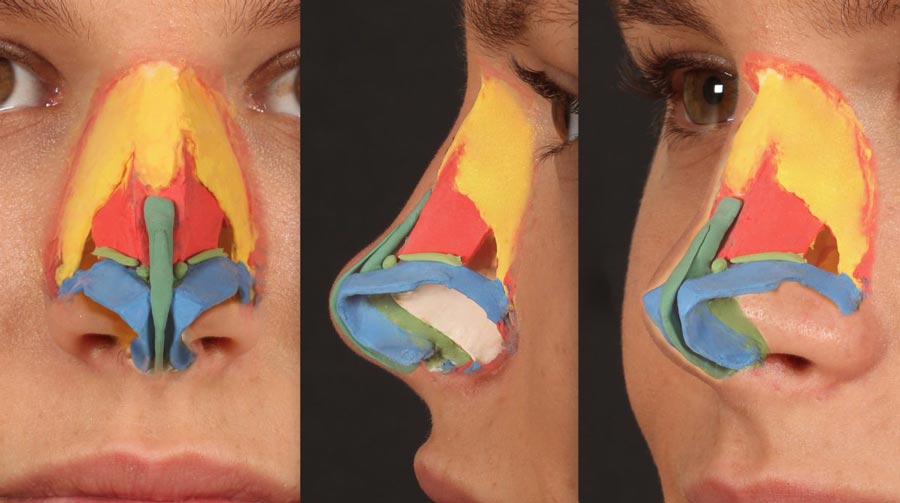
Through the surgical incisions described, both the bones and the cartilage that form the structural framework of the nose can be reshaped. Via these approaches, the nasal bones are accessed, allowing for reduction of the dorsal hump and narrowing of the nasal bridge. The nasal cartilages are then addressed with the aim of reducing their volume, modifying their shape, refining their appearance, and making any other necessary adjustments.


Anatomía nasal según el Dr. Baris Çakir

Nasal anatomy according to Dr. Baris Çakir

Open Rhinoplasty allows for more precise work on the cartilages

Nasal Dorsum Reduction

reduccion dorso nasal rinoplastia

Reduction of the nasal dorsum is one of the key steps in the procedure. The nasal dorsum is composed of both bone and cartilage. It is precisely at the level of the dorsal cartilages — the triangular cartilages — where the internal nasal valve is located, which is why it is so important to preserve it when removing a dorsal hump. Therefore, when reducing the nasal dorsum, it is not sufficient merely to file or fracture the bone; cartilage grafts must also be placed at the level of this valve (spreader grafts or flaps) to ensure adequate breathing following rhinoplasty.

Nasal Tip Refinement

spreader-graft-rinoplastia

In contrast, treatment of the nasal tip is entirely different and is based on repositioning the cartilages and modifying their angles. This involves removing excess cartilage where present (dome and alar base resection), providing support where the cartilage is particularly weak (alar and columellar strut grafts), and reshaping the cartilage angles using sutures (transdomal, interdomal, lateral spanning sutures, etc.). However, the most critical aspect of tip surgery is the preservation of the nasal ligaments.

Nasal ligaments are essential for achieving well-defined tip refinement, preventing tip ptosis, and imparting a natural quality to the result. Take a look at any of our intraoperative outcomes — you will certainly be able to appreciate the difference.

Ocular protection during surgery using protective eye shields

Watch video: placement of protective eye shields

At the end of nose surgery, a plastic splint is typically placed over the nasal bridge for 6–7 days, along with nasal packing inside the nostrils (for 1–2 days) to allow the skin to adapt to the new framework.

rinoplastia-nariz-cirujano-plastico-madrid

Second Chances: Revision Surgery and the Use of Grafts

Revision surgery is a procedure performed to correct or improve the results of a previous operation, particularly when the patient is dissatisfied with the initial outcome or when functional or aesthetic complications arise. In rhinoplasty, this may involve adjustments to the shape, structure, or function of the nose following a prior procedure.

When insufficient material is available to reshape the nose, the choice of grafts becomes essential to achieving optimal aesthetic and functional results. Auricular and costal cartilage grafts are among the most commonly used, each offering specific advantages depending on the patient’s needs:

  • The auricular graft is harvested from the ear cartilage. It is ideal for cases requiring minor structural reinforcement or refinement of the nasal structure. Due to its flexibility and thinness, it is well suited for reconstructing areas such as the nasal rim or for smoothing irregular contours. The harvesting procedure leaves minimal scarring and is relatively straightforward for the patient.
  • The costal cartilage graft is taken from rib cartilage and is the preferred option when greater volume or structural support is required. This cartilage is firmer and can be carved and shaped to fully reconstruct the nasal bridge or reinforce collapsed areas. However, its harvesting is a more invasive procedure.

It is essential that patients choose a plastic surgeon with proven experience in rhinoplasty — someone who possesses not only deep technical expertise but also a refined aesthetic sensibility. This is vital in order to avoid the much-feared “operated nose” that lacks all naturalness. At this point, I must emphasise the importance of steering clear of bargain offers and low-cost surgery. Rhinoplasty is an art that must be personalised to suit each individual’s characteristics and personality — it is not a service to be sought out as a bargain. The surgeon you choose will largely determine not only the success of the procedure, but also how you feel about your new appearance for the rest of your life.

Combining Treatments for a More Beautiful and Natural Result

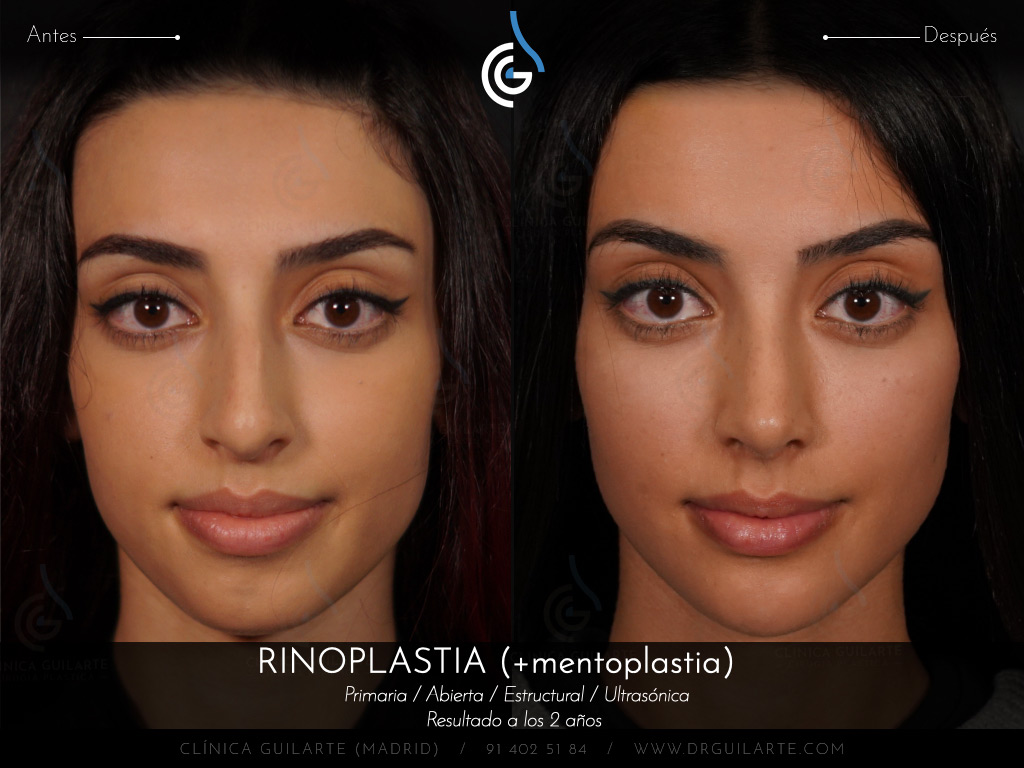
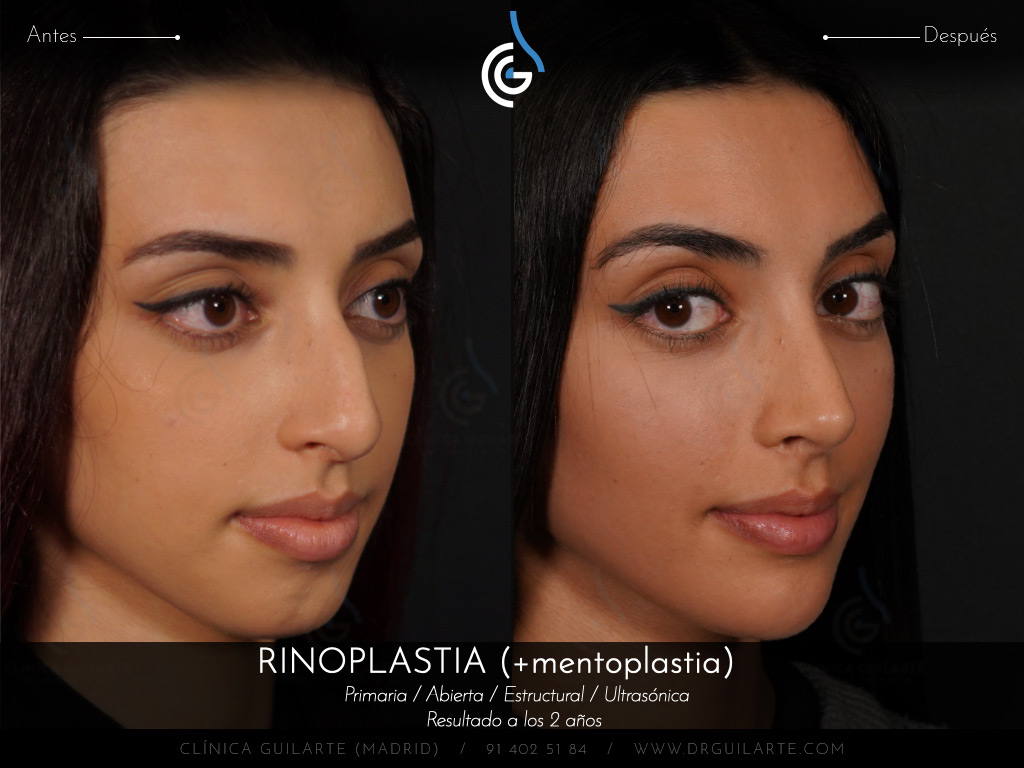
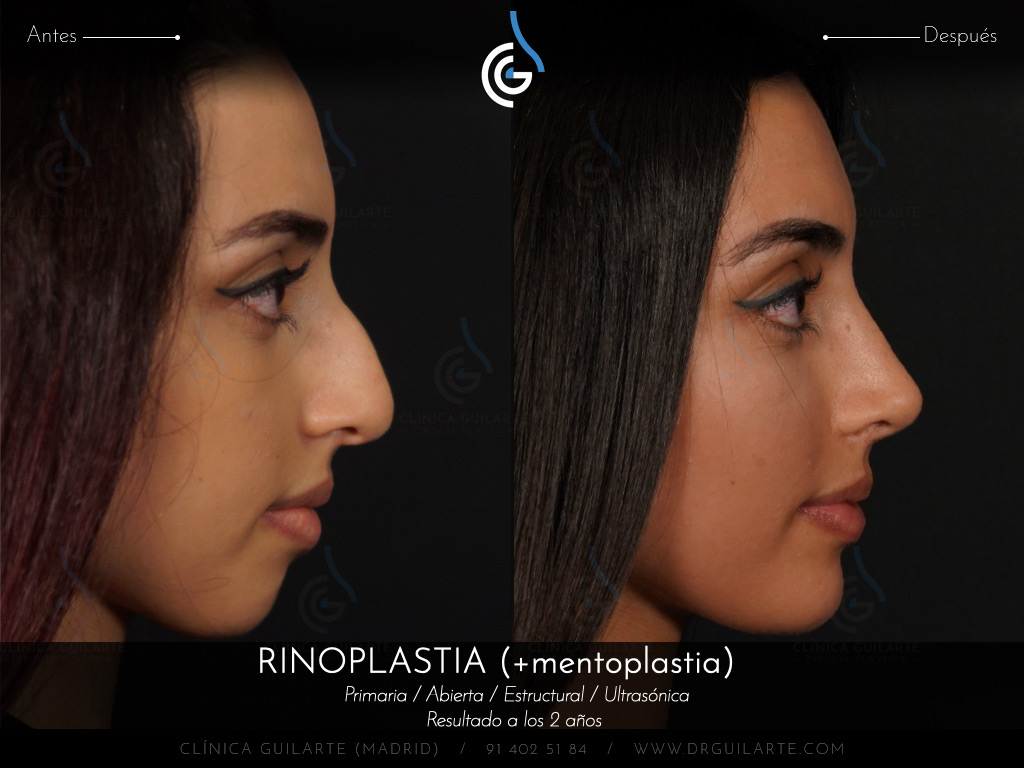
Combining different procedures — whether surgical or aesthetic medicine-based — can be a powerful ally in achieving the best possible outcome. While the nose is the central structure of the face, addressing the other facial features plays a significant role in enhancing overall beauty. It is therefore common to find combinations such as: rhinoplasty + mentoplasty, rhinoplasty + blepharoplasty, rhinoplasty + lipofilling, in our results gallery.

“There are no tricks — it’s a method.” — Dr. Guilarte.

The above case is an example of a carefully planned combination of procedures and treatments that contributed to this result:

  • SubP dissection.
  • Repositioning and reanchoring of perichondrium and ligaments.
  • Osteotomies using ultrasonic piezotome and 1 mm osteotome.
  • Cheiloplasty to remove permanent lip filler.
  • Post-operative Indiba (radiofrequency) treatment.
  • Meticulous care before, during and after surgery.

In the above case, rhinoplasty (nose surgery) combined with mentoplasty (chin surgery) softens the overall facial appearance and enhances the outcome of the combined procedure.

Rhinoplasty Price in Madrid

The best conditions and results for rhinoplasty in Madrid are found in the hands of Dr. Guilarte. This plastic surgery procedure allows you to improve the overall appearance of your face — and your nose in particular — correct breathing difficulties, and address nasal septum deviation, among other concerns.

At ClĂ­nica Guilarte, you can undergo rhinoplasty in Madrid with one of the most skilled surgeons in this field. Dr. Guilarte will personally guide you through every stage of the process, tailoring and individualising your case to ensure the expected outcome is achieved.

The cost of our procedures is always adapted to each individual case, as every patient who comes to us with an interest in rhinoplasty in Madrid presents a different concern and, therefore, a different set of needs. A basic rhinoplasty is the most affordable procedure, while a rib graft rhinoplasty is among the most complex and costly at our clinic.

Our team’s work always guarantees the best results, underpinned by the extensive experience and satisfaction of our patients with the rhinoplasty procedures we have performed to date.

Dr. Guilarte is a leading rhinoplasty surgeon in Madrid. We encourage you to contact us without any obligation so that your case can be handled in a professional and personal manner, ensuring that every step of the process is transparent, straightforward, and comfortable — a procedure that will genuinely improve your quality of life.

For more comprehensive information about nose surgery, please visit our dedicated rhinoplasty website.

Mobile Version of this Page

You are viewing a version of this page optimised for mobile devices. As a result, the page has been simplified and not all images included in the full version are displayed. To view the extended version:

  • You may view this page on a desktop computer
  • You can complement this page with before and after photographs of some of the cases treated at our clinic.

Thank you for your attention. We look forward to welcoming you to our clinic.